
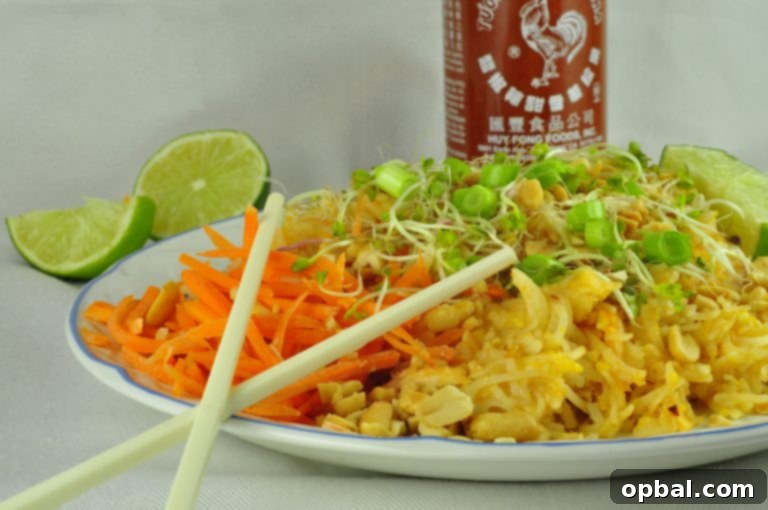
Master the Art of Homemade Chicken Pad Thai: An Authentic Recipe Guide
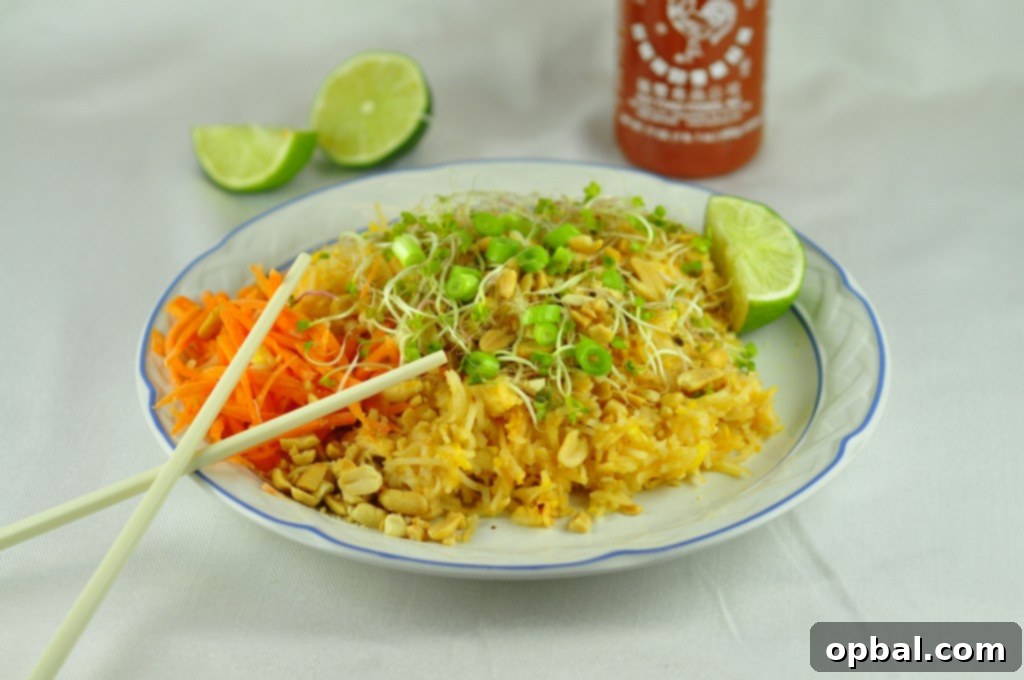
For many, the mention of Thai cuisine immediately brings to mind one iconic dish: Pad Thai. This beloved noodle stir-fry holds a truly special place in the hearts of food enthusiasts worldwide, myself included. Its harmonious blend of sweet, sour, salty, and subtly spicy flavors, combined with satisfying textures, makes it an unforgettable culinary experience. Whenever I step into a Thai restaurant, my order is almost instinctively Pad Thai. It’s more than just a meal; it’s a comfort dish, a benchmark for quality, and a delicious adventure with every bite.
A perfectly executed Chicken Pad Thai, perhaps paired with some Thai sticky rice, often serves as my personal litmus test for any Thai restaurant. It tells you a lot about their dedication to authentic flavors and cooking techniques. And let’s be honest, I’m a creature of habit; once you find something you love, why stray? Today, I’m excited to share a recipe that promises to deliver a Chicken Pad Thai so authentic and delectable, you’ll swear it came straight from your favorite Thai eatery – or even better!
This recipe is incredibly versatile. While we’re focusing on chicken today, feel free to substitute or combine it with other proteins like succulent shrimp, tender pork, rich beef, or firm tofu. The choice is yours, allowing you to tailor the dish to your preference. One important note: this recipe yields a Pad Thai with a noticeable kick from chili sauce and crushed red pepper. If you prefer a milder flavor, I recommend starting with less crushed red pepper and gradually increasing it to your desired spice level. I personally enjoy a little warmth that awakens the palate without overwhelming it – a perfect balance that gets my nose running before I even take a bite, but only when I’m in the mood for it!
If you’re a fan of vibrant Thai flavors, you might also enjoy my Thai Chicken Quesadillas for another exciting culinary fusion.
Why Recreate Pad Thai at Home? Beyond the Takeout Container
While the convenience of takeout is undeniable, there’s an immense satisfaction in crafting an authentic Chicken Pad Thai right in your own kitchen. Not only does it offer significant cost savings, but it also empowers you with complete control over the ingredients, ensuring freshness and quality. You can customize every aspect, from the amount of spice to the specific type of vegetables, making it perfect for dietary restrictions or personal preferences. Furthermore, mastering a classic dish like Pad Thai is a rewarding culinary achievement that brings the vibrant flavors of Thailand directly to your dining table, elevating a simple weeknight meal into a gourmet experience.
A Glimpse into Pad Thai’s Rich History
Pad Thai’s origins are deeply intertwined with Thailand’s national identity. Developed in the 1930s and 1940s by Prime Minister Plaek Phibunsongkhram during a period of nation-building, it was promoted as a national dish to foster patriotism and support domestic rice production. The dish’s unique blend of Chinese stir-fry techniques with distinctly Thai ingredients like tamarind, fish sauce, and palm sugar created a culinary masterpiece that quickly gained popularity. Today, Pad Thai stands as a testament to Thailand’s rich cultural heritage, enjoyed by millions around the globe and representing the quintessential taste of Thai street food.
The Essential Elements of a Perfect Chicken Pad Thai
Crafting the perfect Pad Thai is all about understanding and balancing its core components:
The Noodles: Foundation of the Dish
Rice noodles are the star of Pad Thai, and their preparation is crucial. Unlike wheat noodles, rice noodles are delicate and can quickly turn mushy if overcooked. The key is to soak them in hot water until they are pliable but still firm, then drain them thoroughly. They will finish cooking in the wok. It’s imperative to prevent them from sticking together once softened – a common pitfall I’ve personally experienced! A quick rinse with cold water after draining can help, along with a light toss of a little oil.
The Protein: Your Choice, Your Flavor
Chicken breast, cut into bite-sized pieces, is a classic choice for its lean texture and ability to absorb the rich flavors of the sauce. However, Pad Thai is incredibly adaptable. Shrimp offers a sweet, succulent alternative, while thin slices of beef or pork add a heartier element. For a vegetarian option, extra-firm tofu, pressed and cubed, works wonderfully, soaking up all the deliciousness of the sauce. Feel free to mix and match to create your ultimate Pad Thai.
The Sauce: The Heart and Soul of Pad Thai
The magic of Pad Thai lies in its signature sauce, a complex symphony of flavors. It’s a delicate balance of sweet from white sugar (or palm sugar), sour from white wine vinegar (or tamarind paste for deeper authenticity), salty and umami from fish sauce, and a touch of heat from hot chili sauce like Sriracha and crushed red pepper. The combination creates a truly addictive flavor profile that coats every noodle and ingredient. Don’t be afraid to taste and adjust the sauce components to match your personal preference before adding it to the wok.
Aromatics and Fresh Vegetables
Garlic and green onions form the aromatic base, providing a fragrant foundation for the dish. Bean sprouts add a delightful crunch and freshness, stirred in towards the end of cooking to maintain their crisp texture. You can also experiment with other vegetables like shredded carrots, thinly sliced bell peppers, or even a handful of chopped Chinese chives for added depth and nutrition.
The Garnishes: The Finishing Touch
No Pad Thai is complete without its iconic garnishes. Crushed peanuts provide a nutty crunch, fresh green onions add a mild oniony bite, and a wedge of lime offers a crucial burst of acidity that brightens the entire dish. Shredded purple cabbage and extra fresh bean sprouts can also be added for color and texture.
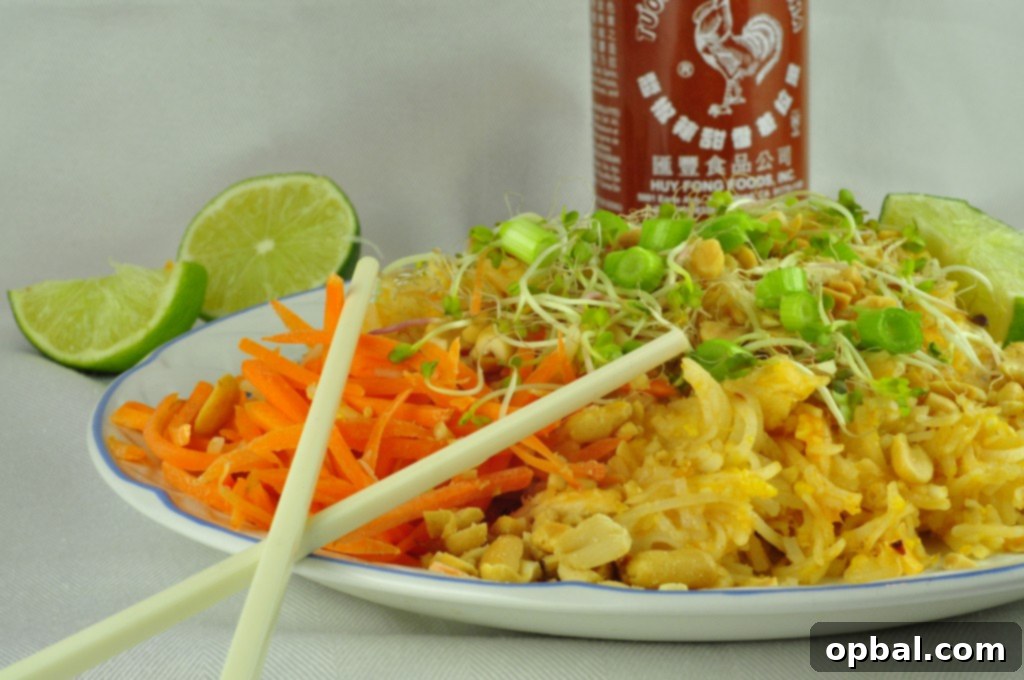
Expert Tips for a Flawless Chicken Pad Thai Experience
Achieving restaurant-quality Pad Thai at home is entirely possible with a few key considerations:
- Noodle TLC: The most common mistake is overcooking the rice noodles. Soak them in hot (not boiling) water for the time specified on the package, usually 10-15 minutes, until they are pliable but still firm and slightly undercooked. They will finish cooking in the wok. Drain them immediately and rinse briefly with cold water to prevent sticking, then toss with a tiny bit of oil.
- High Heat is Your Friend: Pad Thai is a stir-fry, which means it thrives on high heat. Use a wok or a large, heavy-bottomed skillet that can retain heat well. This ensures a proper sear on your chicken and prevents the noodles from becoming soggy.
- Mise en Place: “Everything in its place.” Have all your ingredients prepped and ready before you start cooking. The stir-fry process is quick, and you won’t have time to chop or measure once the heat is on.
- Don’t Crowd the Wok: Cook in batches if necessary, especially if you’re making a large portion. Overcrowding the wok lowers the temperature, steaming the ingredients instead of stir-frying them, which can lead to a less flavorful and textural dish.
- Taste and Adjust: The sauce is the heart of Pad Thai. Don’t be afraid to taste the sauce components before combining them with the noodles and adjust the sweetness, sourness, or saltiness to your liking. Remember, you can always add more, but you can’t take it away!
- Spice Management: If you’re sensitive to spice, start with half the amount of crushed red pepper and chili sauce. You can always add more at the table if desired.
Customizing Your Pad Thai Experience
This Chicken Pad Thai recipe provides a fantastic base, but feel free to get creative and personalize it:
- Protein Power: Beyond chicken, experiment with succulent shrimp, thinly sliced beef or pork, or even a mix! For a vegetarian option, pressed extra-firm tofu is an excellent choice, absorbing flavors beautifully.
- Veggie Boost: Add extra vegetables like julienned carrots, thinly sliced bell peppers, snow peas, or broccoli florets for more color, texture, and nutrients. Stir-fry harder vegetables early with the chicken, and softer ones like bell peppers later.
- Nutty Notes: While peanuts are traditional, you can also try cashews for a different nutty flavor and crunch.
- Spice It Up (or Down!): Adjust the amount of Sriracha and crushed red pepper to suit your heat preference. For an extra fiery kick, add some fresh bird’s eye chilies.
- Authenticity Level: For a more traditional flavor profile, seek out tamarind paste for the sour component instead of white wine vinegar. It adds a unique, complex tang.
Serving Suggestions and Presentation
Pad Thai is best enjoyed immediately after cooking, when the noodles are perfectly tender and the vegetables are still crisp. Serve generous portions garnished liberally with fresh crushed peanuts, extra chopped green onions, and a vibrant lime wedge squeezed over the top. The fresh lime juice is essential as it cuts through the richness and brightens all the flavors. For a complete Thai feast, consider serving it alongside other favorites like spring rolls or a refreshing Thai iced tea.
Chicken Pad Thai Recipe
This recipe yields a Chicken Pad Thai that rivals your favorite takeout, bursting with authentic Thai flavors. Get ready to impress your taste buds!
Recipe Details
- Recipe Type: Dinner
- Cuisine: Thai
- Author: Ashley
- Prep time: 20 mins
- Cook time: 20 mins
- Total time: 40 mins
- Serves: 6
- Summary: An incredibly flavorful Chicken Pad Thai recipe in chili sauce that is just as good as take-out or what you order at the best Asian restaurants!
Ingredients
- 1 (12 ounce) package flat rice noodles (Pad Thai style)
- 2 tablespoons peanut oil, plus ¼ cup extra
- 1 pound boneless, skinless chicken breast halves, cut into bite-sized pieces
- 2 cloves garlic, minced
- 3 green onions, chopped (reserve some for garnish)
- 4 large eggs, whisked
- 2 tablespoons white wine vinegar
- 4 tablespoons good quality fish sauce
- 6 tablespoons white sugar (or palm sugar for authentic flavor)
- 1 tablespoon hot chili sauce (e.g., Sriracha), adjust to taste
- 1½ teaspoons crushed red pepper, adjust to taste
- ⅛ teaspoon cayenne pepper (optional, for extra heat)
- 2 cups fresh bean sprouts, plus more for garnish
- ¼ cup crushed peanuts, for garnish
- 1 lime, cut into wedges, for serving
- Shredded carrot and purple cabbage, for garnish (optional)
Instructions
- Prepare the rice noodles according to package instructions. Typically, this involves soaking them in hot water until pliable but still slightly firm. Drain well and set aside. (Refer to the noodle tips above to prevent them from becoming mushy or sticking together).
- Heat 2 tablespoons of peanut oil in a large wok or heavy-bottomed skillet over medium-high heat. Add the bite-sized chicken pieces, minced garlic, and 3 chopped green onions. Sauté, stirring frequently, until the chicken is cooked through and lightly browned, and the garlic is fragrant. Remove the chicken mixture from the wok and set aside on a plate.
- Return the wok to the burner and add the remaining ¼ cup of peanut oil. Heat the oil over medium-high heat until shimmering.
- Crack the whisked eggs into the hot oil. Scramble and cook until firm, breaking them into smaller pieces.
- Add the cooked chicken mixture and the softened rice noodles to the wok with the eggs. Pour in the white wine vinegar, fish sauce, white sugar, hot chili sauce, crushed red pepper, and cayenne pepper (if using).
- Stir everything together vigorously, tossing continuously to ensure the noodles are evenly coated with the sauce and all ingredients are well combined. Cook for 2-3 minutes, allowing the noodles to absorb the flavors and finish cooking.
- Taste the Pad Thai and adjust seasonings as needed. You might want to add a little more sugar for sweetness, fish sauce for saltiness, or chili sauce for heat.
- Add the 2 cups of fresh bean sprouts and a generous squeeze of lime juice from one of the wedges. Mix for another 1-2 minutes until the bean sprouts are just tender-crisp.
- Serve immediately onto individual plates. Garnish generously with crushed peanuts, reserved chopped green onions, and fresh lime wedges. For extra color and crunch, add shredded carrot and purple cabbage.
Conclusion
Embarking on the journey to create homemade Chicken Pad Thai is a truly rewarding experience. This recipe isn’t just about cooking a meal; it’s about bringing the vibrant, complex flavors of Thailand right into your home, surpassing the quality and satisfaction of any takeout. With its perfect balance of sweet, sour, salty, and spicy, this authentic Pad Thai is destined to become a staple in your culinary repertoire. So gather your ingredients, fire up your wok, and get ready to savor the incredible taste of a dish crafted with passion. Enjoy every delicious bite!