
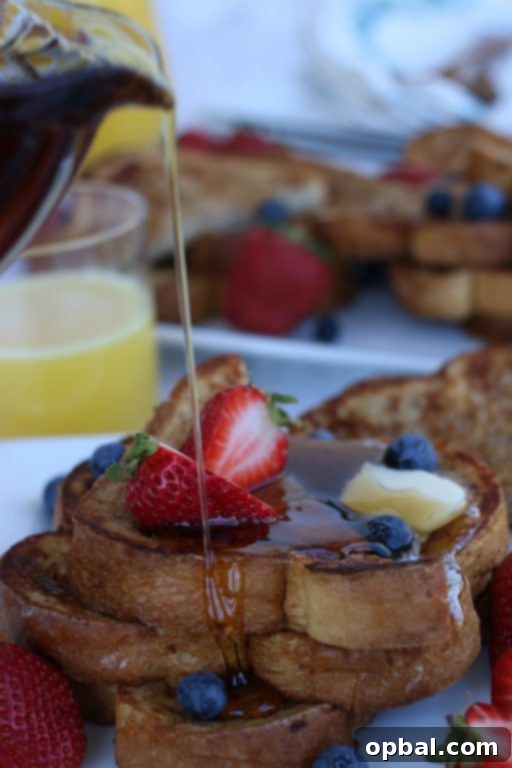
The Ultimate Guide to Making Flawless French Toast: A Simple & Indulgent Recipe
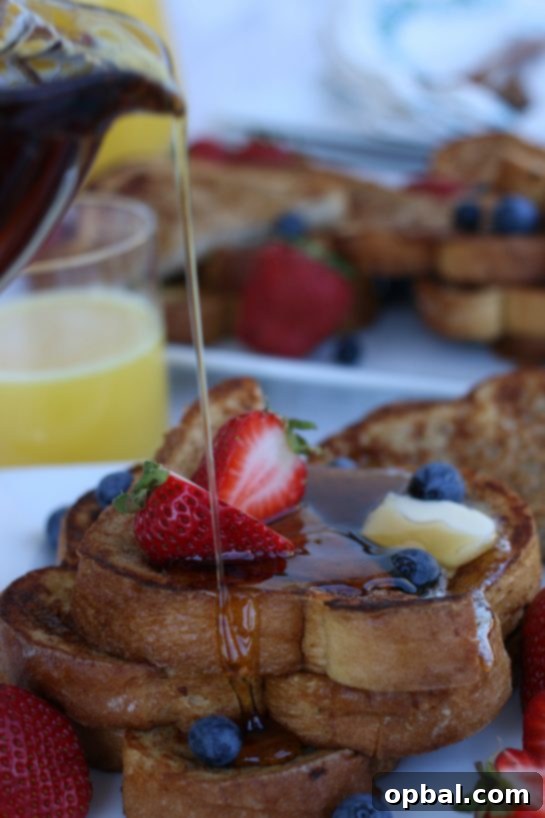
Mastering the art of making French toast doesn’t require secret ingredients or specialized kitchen tools. It’s about understanding a few fundamental principles and embracing a simple, yet incredibly satisfying recipe. This comprehensive guide will walk you through crafting the perfect batch of homemade French toast, transforming an ordinary breakfast into an extraordinary culinary experience. Get ready to impress your family and friends with this timeless breakfast and brunch staple that is surprisingly easy to make!
French toast holds a special place in the hearts of breakfast enthusiasts worldwide. Its crispy exterior, custardy interior, and endless topping possibilities make it a versatile and beloved dish. Whether you’re a seasoned chef or a kitchen novice, this easy-to-follow French toast recipe is designed to yield consistently delicious results every time. Forget complicated steps; we’re focusing on simplicity and incredible flavor. So, tie on your apron, gather your ingredients, and prepare to create some truly unforgettable French toast!
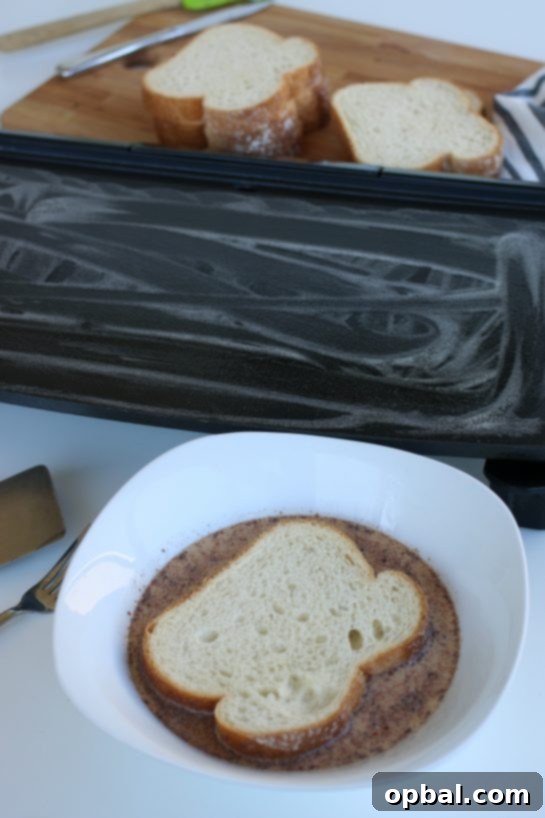
Choosing the Best Bread for French Toast: The Foundation of Flavor
The secret to truly amazing French toast lies in your choice of bread. While you can technically use any bread, opting for a thick-sliced loaf is absolutely essential for achieving that ideal balance of a golden, slightly crisp exterior and a soft, custard-like interior. A thinner slice will quickly become soggy and fall apart, lacking the satisfying texture that defines great French toast.
So, what kind of bread is best? Here are some top recommendations:
- Texas Toast: Readily available in most grocery stores, Texas toast is pre-sliced extra thick, making it a convenient and excellent choice. Its sturdy nature holds up beautifully to the custardy batter.
- Brioche: This rich, buttery, and slightly sweet French bread is a French toast dream. Its tender crumb and rich flavor absorb the batter wonderfully, resulting in an exceptionally decadent dish.
- Challah: A traditional Jewish braided bread, Challah is similar to brioche in its richness and slightly sweet profile. Its dense texture makes it perfect for soaking up the egg mixture without becoming mushy.
- Sourdough: For those who prefer a tangier note, sourdough offers a delightful contrast to the sweet batter and toppings. Ensure it’s a day or two old for best absorption.
- Artisan White Bread: Many bakeries offer thick-cut artisan white breads that work wonderfully. Brands like Sara Lee Artesano also provide excellent thick-sliced options suitable for this recipe.
Ideally, use bread that is a day or two old. Stale bread is slightly drier, allowing it to absorb more of the egg mixture without disintegrating, leading to a richer, more flavorful French toast. If your bread is fresh, you can lightly toast it in the oven for a few minutes to dry it out slightly before soaking.
Essential Tips for Flawless French Toast Every Time
Crafting perfect French toast is more than just dipping bread in egg. These easy tips will elevate your breakfast game, ensuring every slice is a golden, custardy delight:
- Embrace the Fat Content in Milk: The richness of your French toast largely depends on your milk choice. Milk with a higher fat content, such as whole milk or heavy cream (as used in this recipe), will create a creamier, more indulgent batter and a lusciously tender finish. While you can use any milk you have on hand, upgrading to a richer option is a game-changer for flavor and texture.
- Optimize Your Soaking Vessel: Ditch the small bowls! A shallow baking dish or casserole dish is your best friend for soaking bread. It allows you to comfortably soak multiple slices at once, ensuring even saturation on both sides without crowding, making the process much more efficient.
- Don’t Rush the Soak: While you don’t want soggy bread, allow each slice enough time to properly absorb the egg mixture – typically 15-30 seconds per side for thick bread. This ensures the custard penetrates the bread, creating that desirable moist interior.
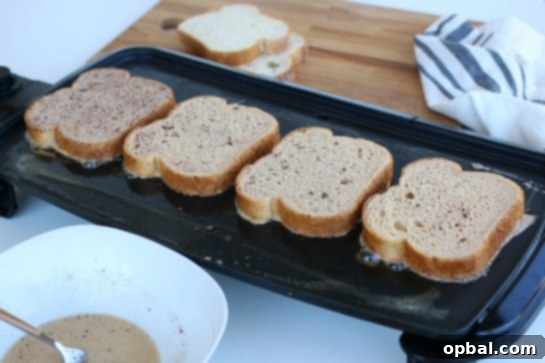
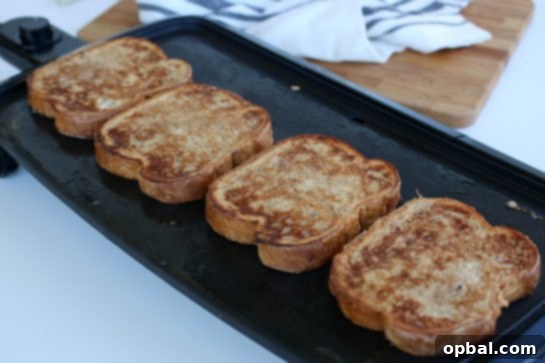
- Utilize an Electric Griddle for Batch Cooking: If you’re feeding a crowd or simply want to speed up the process, an electric griddle is a fantastic investment. It offers a large, consistent cooking surface, allowing you to cook multiple slices simultaneously and get this tasty recipe on the table much faster. Ensure it’s fully preheated for even cooking.
- Master the Heat: French toast cooks best over medium heat. Too high, and the outside will burn before the inside is cooked through. Too low, and it will dry out and become tough. Aim for a golden-brown crust and a fully cooked center.
- Butter is Your Best Friend: Don’t skimp on butter or non-stick spray! Generously grease your pan or griddle before each batch of French toast. This prevents sticking, promotes even browning, and adds an extra layer of delicious flavor.
- Avoid Overcrowding the Pan: Give your French toast slices space to breathe. Overcrowding lowers the pan temperature and can lead to uneven cooking and less desirable browning. Cook in batches if necessary.
Troubleshooting Your French Toast: Fixing Blandness and Other Issues
Even with the best intentions, French toast can sometimes turn out less exciting than anticipated. If you find your homemade French toast lacking flavor, don’t despair! This recipe is designed to be incredibly flavorful, but here’s how to troubleshoot and ensure your taste buds are truly blown away:
- If Your French Toast is Bland: The most common reason for bland French toast is simply not enough flavor in the batter. This recipe provides a fantastic flavor foundation, but don’t hesitate to personalize it!
- Boost the Spices: If it tastes flat, try increasing the amount of cinnamon, vanilla extract, or even adding a pinch of nutmeg or a dash of allspice.
- Sweetness Factor: Ensure you have enough sugar in the batter. The sugar not only sweetens but also aids in caramelization, giving your French toast a beautiful golden hue and deeper flavor.
- Zest it Up: A little lemon or orange zest added to the batter can brighten the flavors considerably without adding a prominent citrus taste.
- Cinnamon Sugar Sprinkle: During the cooking process, a light sprinkling of cinnamon sugar on each side as it cooks can really amp up the flavor and create a delightful candied crust.
- Salt is Key: Don’t forget the dash of salt! It enhances all the other flavors, making them pop.
- If Your French Toast is Soggy: This usually happens for two reasons:
- Too Much Soaking: While you want the bread to absorb the custard, don’t let it sit too long, especially if using thinner bread. Thick bread can handle more.
- Not Hot Enough Pan: If your pan isn’t hot enough, the French toast will steam rather than sear, resulting in a soggy texture. Ensure your pan is at medium heat.
- If Your French Toast is Burnt on the Outside, Raw on the Inside: Your pan is too hot! Reduce the heat to medium. This allows the heat to penetrate slowly and cook the interior before the exterior burns.
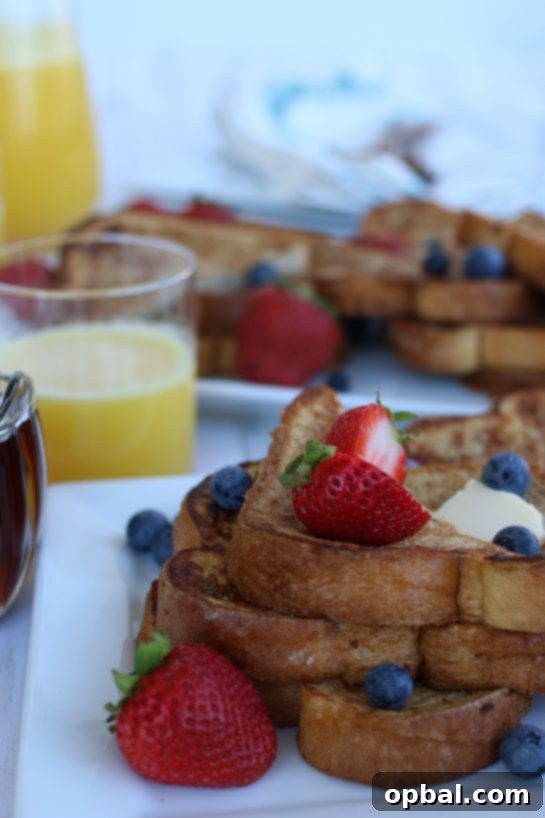
What You Need: The Simple Ingredients for Classic French Toast
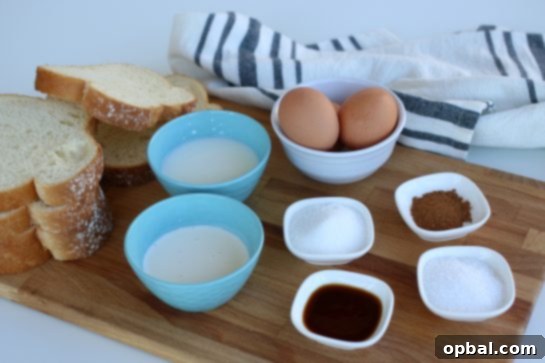
Once you master this classic French toast recipe, you’ll undoubtedly feel inspired to experiment with your own flavor combinations. But for now, let’s stick to the foundational ingredients that create this irresistible breakfast. These components are carefully selected to create a balanced, creamy, and incredibly flavorful custard that perfectly coats your chosen bread:
- ¼ Cup Milk: Provides the liquid base for our custard, helping to bind the ingredients and moisten the bread.
- ¼ Cup Heavy Cream: The secret to an exceptionally rich and indulgent French toast. The high-fat content adds unparalleled creaminess and flavor.
- 3 Large Eggs: The binding agent that creates the custard. Eggs give French toast its structure and classic texture.
- 1 ½ Tbsp Sugar: Adds sweetness and helps with the beautiful caramelization and browning of the toast.
- ¾ Teaspoons Vanilla Extract: A crucial flavoring agent that imparts warmth and depth to the batter. Don’t skip it!
- ¾ Teaspoons Ground Cinnamon: The quintessential spice for French toast, adding a comforting aroma and classic flavor.
- Salt (just a dash): A pinch of salt is vital for balancing the sweetness and enhancing all the other flavors.
- Butter (for greasing the pan): Essential for preventing sticking, promoting even browning, and adding delicious buttery notes to the cooked toast.
- 6 Slices Thick Cut Bread: The star of the show! As discussed, thick-cut bread is paramount for the best texture.
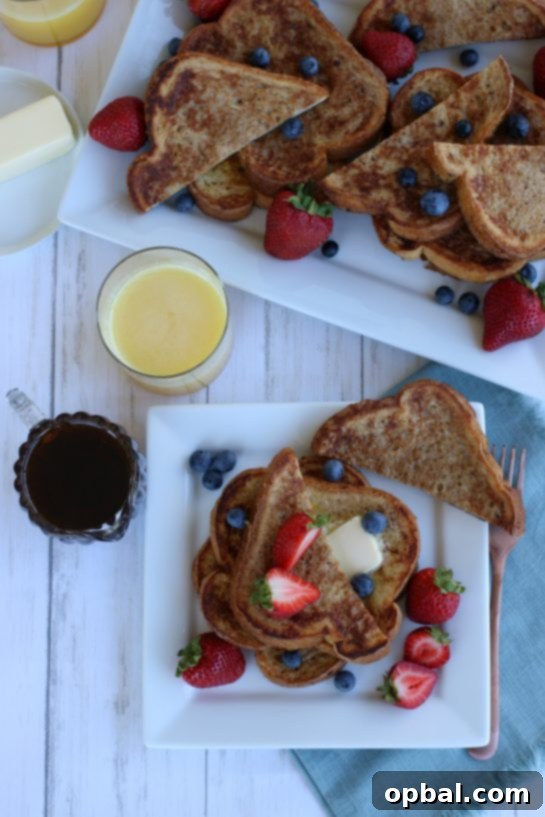
The Science Behind the Magic: Why These Ingredients Work
These specific ingredients aren’t just arbitrarily chosen; they work synergistically to create a culinary masterpiece. Think of it as a simple custard base that the bread eagerly absorbs. Here’s a quick breakdown of their roles:
- Eggs + Dairy (Milk & Heavy Cream): This combination forms the creamy custard. The proteins in the eggs provide structure, while the fat and liquid from the dairy add moisture and richness. Together, they create a smooth, velvety texture when cooked.
- Sugar: Beyond sweetness, sugar plays a vital role in browning. It caramelizes beautifully on the hot pan, giving French toast its appealing golden crust and a more complex flavor profile.
- Vanilla & Cinnamon: These aromatics infuse the bread with warm, inviting flavors. They are classic pairings for sweet breakfast dishes and elevate the entire experience.
- Salt: A tiny pinch of salt might seem insignificant, but it’s a flavor enhancer. It brightens the other ingredients, making the sweetness taste sweeter and the spices more pronounced.
When the bread soaks in this perfectly balanced mixture, it becomes infused with flavor and moisture. Upon hitting the hot, buttered pan, the sugars caramelize, the eggs cook and set, and the bread transforms into that irresistible, smooth, and creamy combination that defines the best French toast. It’s truly what brunch dreams are made of!
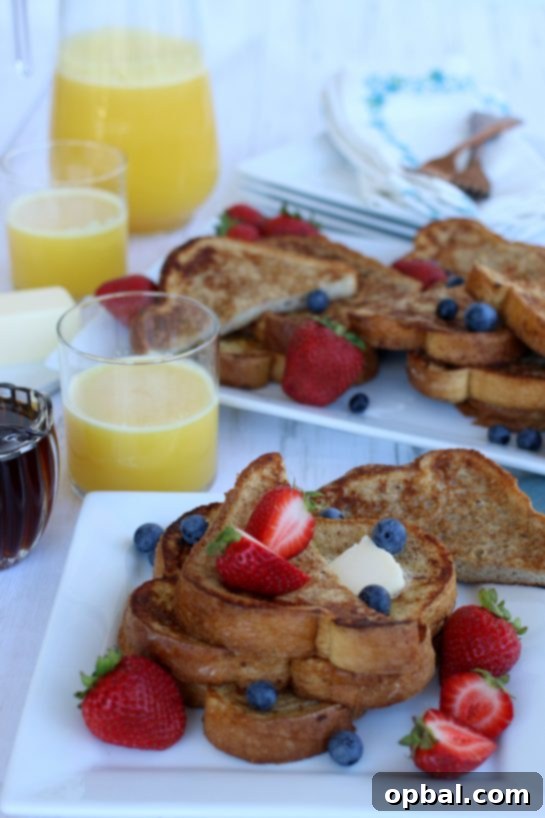
Step-by-Step Instructions: How to Make Perfect French Toast
Follow these simple steps to prepare your incredibly indulgent homemade French toast:
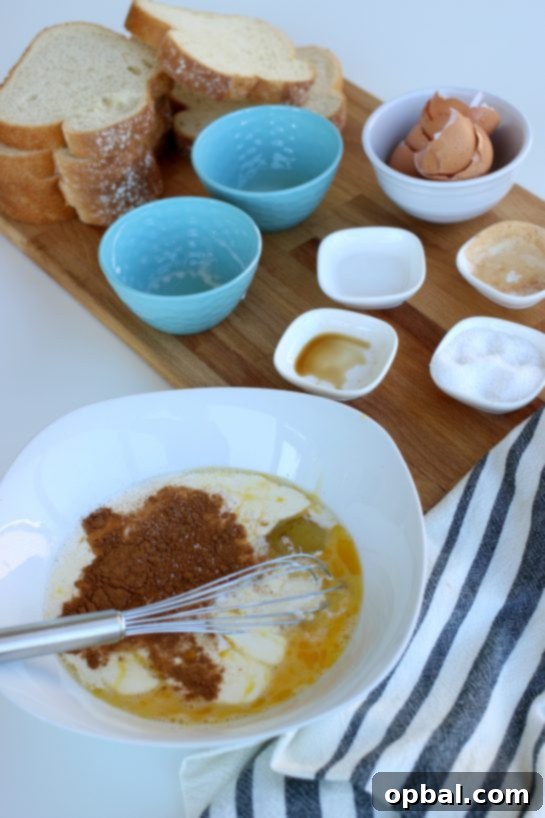
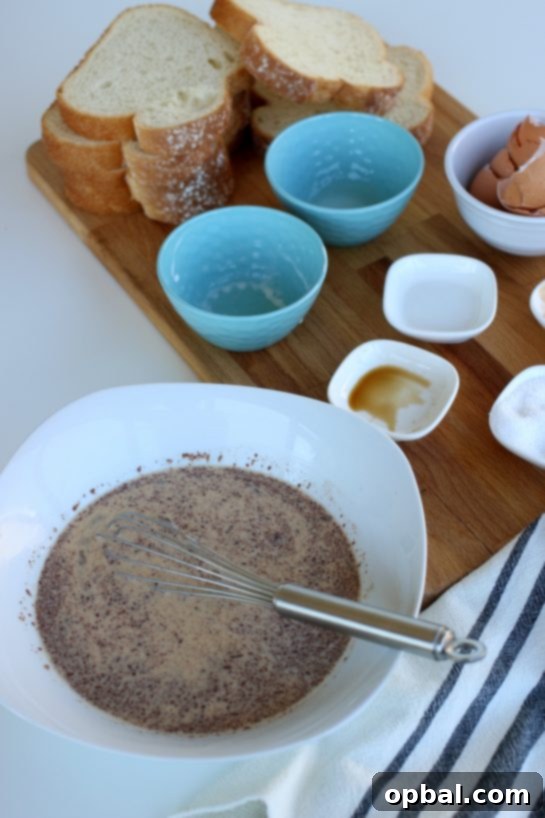
- Prepare the Custard: In a shallow bowl or baking dish (which works perfectly for soaking bread), whisk together the milk, heavy cream, eggs, sugar, vanilla extract, ground cinnamon, and a tiny pinch of salt. Ensure you whisk thoroughly until all ingredients are fully combined and the mixture is smooth, with no streaks of egg white remaining. This smooth consistency is key for even absorption and a perfect finish.
- Preheat Your Pan: Place a nonstick skillet or electric griddle over medium-high heat. Allow it to preheat for a few minutes. Before adding bread, add a generous pat of butter or a spray of non-stick cooking spray to grease the pan. This prevents sticking and contributes to that beautiful golden-brown crust.
- Soak the Bread: Give your egg mixture one final quick whisk. Take one slice of your thick-cut bread and place it into the mixture. Allow it to soak for about 15-30 seconds on one side, then carefully flip it and let the other side soak for a similar duration. The goal is for the bread to be fully saturated but not falling apart. Gently lift the bread, allowing any excess batter to drip off.
- Cook to Golden Perfection: Carefully place the soaked bread slice onto the preheated pan. Cook for 3-5 minutes per side, or until it achieves a beautiful golden-brown color and the center is cooked through and custardy. Adjust heat as needed to prevent burning.
- Continue Cooking Batches: Between each batch of French toast, add a little more butter or non-stick spray to your pan. Continue with step three and four until you have used up all your egg mixture or cooked enough slices for everyone to enjoy. For best results, keep cooked French toast warm in a preheated oven (around 200°F/95°C) while you finish subsequent batches.
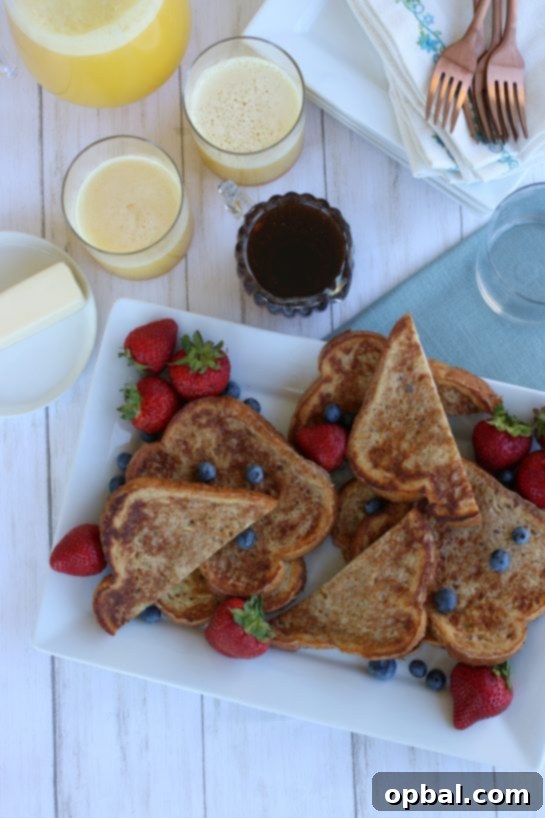
- Serve Warm and Enjoy: Transfer your freshly cooked French toast to plates. Serve immediately while warm, topped with classic butter, a generous drizzle of real maple syrup, or any of the delightful toppings suggested below.
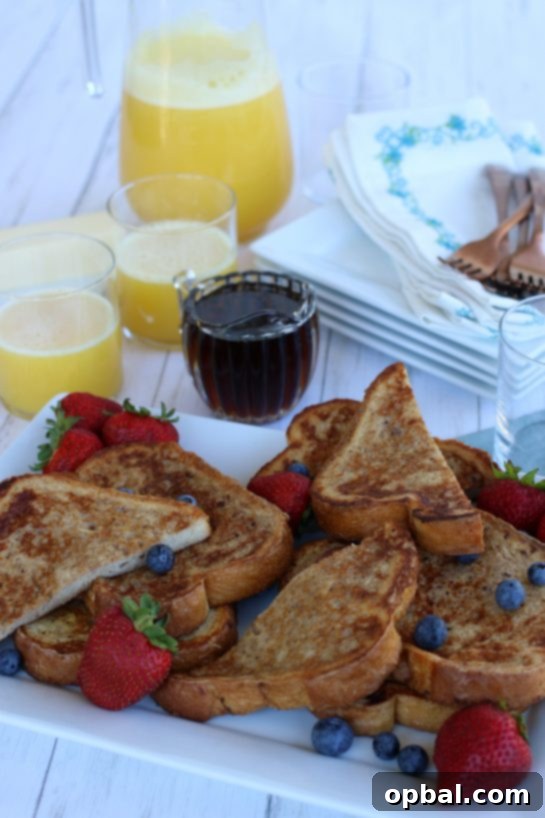
The Best French Toast Toppings: Unleash Your Creativity!
The beauty of this classic French toast recipe is its versatility. The base is so incredibly delicious that it can be enjoyed simply on its own, or you can transform it into a unique culinary creation with an array of toppings. The possibilities are truly endless, limited only by your imagination! Here are some suggestions to spark your creativity and get you started:
- Classic & Simple:
- Powdered Sugar: A delicate dusting adds a touch of sweetness and an elegant finish.
- Maple Syrup: The timeless pairing. Real maple syrup is highly recommended for its rich, authentic flavor.
- Whipped Cream: A dollop of fluffy whipped cream adds lightness and decadence.
- Butter: A melting pat of butter on warm French toast is pure comfort.
- Fresh & Fruity:
- Fresh Berries: Strawberries, blueberries, raspberries, or a mixed berry medley add vibrant color, freshness, and a tart contrast to the sweetness.
- Sliced Bananas: A natural sweetness that pairs wonderfully, especially with a drizzle of chocolate or a sprinkle of nuts.
- Sautéed Apples or Pears: Cooked with a touch of cinnamon and butter, they make a warm, comforting topping.
- Fruit Compote or Pie Filling: A quick and easy way to add a burst of fruity flavor.
- Rich & Decadent:
- Chocolate Syrup or Hot Fudge: For the ultimate chocolate lovers.
- Nutella or Chocolate Hazelnut Spread: A rich, creamy, and nutty delight.
- Peanut Butter or Almond Butter: Adds protein and a satisfying texture. Melt slightly for easy spreading.
- Caramel Sauce: Sweet and sticky, a luxurious addition.
- Marshmallows: Lightly toasted under a broiler for a s’mores-like experience.
- Ice Cream: A scoop of vanilla or your favorite flavor for an extra special treat.
- Savory & Unexpected:
- Crumbled Bacon or Sausage: The sweet and salty combination is incredibly addictive.
- Toasted Nuts: Walnuts, pecans, or almonds add a lovely crunch and earthy flavor.
- Cream Cheese Glaze: A simple mixture of cream cheese, powdered sugar, and a splash of milk for a tangy, sweet topping.
Don’t be afraid to mix and match! A combination of fresh fruit with a drizzle of chocolate syrup, or a sprinkle of powdered sugar with a side of crispy bacon, can create truly personalized and unforgettable French toast creations. Experiment and discover your favorite perfect combination!
Frequently Asked Questions About French Toast
Can I make French toast batter ahead of time?
Absolutely! You can prepare the egg batter up to 24 hours in advance. Store it in an airtight container in the refrigerator. Give it a good whisk before using, as some ingredients might separate slightly.
What’s the best way to store leftover French toast?
Allow any leftover French toast to cool completely. Store it in an airtight container or zip-top bag in the refrigerator for up to 3-4 days. For longer storage, you can freeze individual slices between layers of parchment paper in a freezer-safe bag for up to 1-2 months.
How do I reheat French toast?
You have a few options for reheating:
- Toaster Oven/Oven: This is the best method for retaining crispiness. Reheat at 350°F (175°C) for 5-10 minutes, or until warmed through and slightly crisp.
- Skillet: Reheat in a lightly buttered skillet over medium heat for 2-3 minutes per side.
- Microwave: While convenient, the microwave can make French toast soggy. Heat for 30-60 seconds, but be aware it won’t be as crispy.
Can I make French toast without eggs?
Yes, there are several egg substitutes you can use, though the texture will be slightly different. Mashed banana, applesauce, or a flax egg (1 tbsp ground flaxseed + 3 tbsp water, let sit for 5 mins) can work. You might need to adjust the liquid content of the batter.
Can I make a savory French toast?
Absolutely! Omit the sugar, vanilla, and cinnamon from the batter. Add herbs like chives or parsley, a pinch of black pepper, and maybe some grated Parmesan cheese. Serve with fried eggs, bacon, avocado, or a sprinkle of everything bagel seasoning.
Discover More Delicious French Toast Recipes!
If you’ve enjoyed mastering this classic recipe, you’ll love exploring other creative ways to enjoy French toast. Expand your breakfast repertoire with these fantastic variations:
Blueberry French Toast Casserole
Banana & Nutella Stuffed French Toast
Crock Pot Cinnamon Bun French Toast
Mini French Toast Sausage Roll-Ups
Coconut Crusted French Toast
How To Make French Toast
- ¼ Cup Milk
- ¼ Cup Heavy Cream
- 3 Large Eggs
- 1 ½ Tbsp Sugar
- ¾ Teaspoons Vanilla Extract
- ¾ Teaspoons Ground Cinnamon
- Salt (just a dash)
- Butter (for greasing the pan)
- 6 Slices Thick Cut Bread
- In a shallow bowl mix together the milk, heavy cream, eggs, sugar, vanilla, cinnamon, and a pinch of salt. I’ve found that a whisk works best for this process because you want everything to be combined really well for a nice smooth finish.
- Use a nonstick skillet on medium-high heat. Use the butter or a non-stick spray to keep your French toast from sticking to your pan!
- Now that your pan is heated up you are ready to start cooking! Give your egg mixture one last good whisking and then start placing your bread into the mixture one by one. Allow each slice to soak up some egg mixture on both sides before placing it into the preheated pan. Cook each slice on both sides until golden brown!
- Add butter or non-stick spray between slices to keep them from sticking and continue step three until you have used your egg mixture up entirely or until you have enough slices for everyone to enjoy.
- Serve your easy French toast warm with butter, maple syrup, or any other toppings you enjoy. (Find topping ideas in the “What to Top French Toast With” section above)
Now that you’re equipped with all the knowledge and tips to create a truly spectacular batch of French toast, it’s time to put your skills to the test. This recipe is more than just instructions; it’s an invitation to create joy in your kitchen and at your breakfast table. Enjoy the process, savor the delicious results, and don’t forget to share your amazing French toast creations with loved ones. Happy cooking!