Embrace Comfort: The Timeless Appeal of Old Fashioned Beef Stew
There’s an undeniable magic in a steaming bowl of Old Fashioned Beef Stew. As the colder months descend, or perhaps linger longer than expected, there’s nothing quite like the promise of a rich, hearty stew simmering gently on the stovetop. It’s a culinary embrace, a beacon of warmth that fills your home with an intoxicating aroma and your soul with unparalleled comfort. This isn’t just a meal; it’s a nostalgic journey back to simpler times, to hearty family dinners and cozy evenings. Whether you’re battling a late-season chill or simply craving a taste of home, this classic beef stew recipe is your perfect companion.
The Essence of a Classic: Why “Old Fashioned” Stands the Test of Time
What sets an “Old Fashioned” Beef Stew apart? It’s the commitment to time-honored techniques and wholesome, readily available ingredients that create a symphony of flavors. We’re talking about succulent chunks of beef, patiently slow-cooked until they yield to the slightest touch, nestled amongst tender vegetables like potatoes, peas, carrots, celery, and onions, all swimming in a deeply savory beef broth. This isn’t about complex culinary wizardry; it’s about allowing quality ingredients and patient cooking to speak for themselves. The result is a dish that’s both profoundly satisfying and incredibly comforting, a true testament to the power of traditional cooking.
The beauty of this stew lies in its simplicity and the depth of flavor achieved through slow simmering. It’s a dish that transforms humble ingredients into something extraordinary, making it a beloved staple across generations. Forget intricate preparations; this recipe focuses on fundamental steps that maximize taste, ensuring every spoonful delivers that hearty, homey goodness we all crave when the weather turns brisk. The robust flavors meld together over hours, creating a harmonious blend that is far greater than the sum of its parts. It’s a dish that truly rewards patience and promises a delicious outcome that will become a cherished family favorite.
Crafting Culinary Comfort: The Art of Slow Cooking Beef Stew
Creating an exceptional Old Fashioned Beef Stew is a journey of patience and passion. It begins with selecting the right cut of beef – typically stew beef or chuck roast – known for its marbling and ability to become incredibly tender with extended cooking. The first crucial step is browning the meat. This isn’t merely about aesthetics; it’s about developing a rich, caramelized crust that locks in flavor and adds a profound depth to the stew’s overall profile. The Maillard reaction that occurs during browning is essential for building a robust foundation for your broth.
Once the beef is beautifully seared, the aromatic vegetables – onions, garlic, carrots, and celery – join the party, sautéing gently to release their sweetness and earthy notes. This forms the classic mirepoix, the flavor trinity that underpins so many savory dishes. Then, the liquids are introduced: a generous amount of rich beef broth and a splash of red wine. The wine, often Burgundy for its deep, fruity notes, not only deglazes the pan, capturing all those precious browned bits, but also adds a layer of complexity and acidity that brightens the stew’s profile without making it taste alcoholic. Worcestershire sauce provides another layer of umami and tangy depth, perfectly complementing the beef.
The magic truly happens during the slow simmer. For an hour and a half, the pot gently bubbles, allowing the tough connective tissues in the beef to break down, transforming it into fork-tender perfection. This extended cooking time also allows all the spices – salt, pepper, paprika, and a dash of allspice or cloves – to fully infuse the liquid, creating a rich, fragrant base that permeates every ingredient. It’s during this phase that the distinct components begin to meld into a cohesive, comforting whole, setting the stage for the final additions.
Your Go-To Recipe: Old Fashioned Beef Stew
This recipe has quickly become a steadfast favorite, delivering on both incredible aroma and delectable taste. The blend of spices imparts a warmth that elevates this stew beyond the ordinary, making it truly special. While the wait can be challenging – especially when your kitchen smells this good – the rewards are well worth every minute. And believe us, if you manage to have any leftovers, they are often even better the next day, as the flavors deepen and mingle further.
Old Fashioned Beef Stew Recipe
Recipe Type: Dinner
Cuisine: Comfort Food
Prep time: 30 minutes
Cook time: 2 hours
Total time: 2 hours 30 minutes
Serves: 4-5
Summary: Chunks of beef stewed with potatoes, peas, carrots, celery, onions and beef broth for a comforting, homey favorite!
Ingredients
- 2 pounds stew beef, cut into 1-inch cubes
- 2 tablespoons vegetable oil
- 2 – 2.5 cups beef broth (plus more if adding potatoes directly to the stew)
- 1/2 cup dry red wine (such as Burgundy or Merlot)
- 1 tablespoon Worcestershire sauce
- 2 cloves garlic, peeled and smashed
- 1 or 2 bay leaves
- 1 medium onion, chopped
- 1 teaspoon salt
- 1 teaspoon sugar
- 1/2 teaspoon black pepper
- 1/2 teaspoon paprika
- Dash ground allspice or ground cloves (optional, but highly recommended for warmth)
- 3 large carrots, peeled and sliced into 1/2-inch rounds
- 3 ribs celery, chopped into 1/2-inch pieces
- (Optional) 2-3 medium Yukon Gold potatoes, peeled and cut into 1-inch cubes
- 1 cup frozen green peas, thawed
- 2 tablespoons cornstarch
- 1/4 cup cold water (for thickening)
Instructions
- In a large Dutch oven or heavy-bottomed pot, heat the vegetable oil over medium-high heat. Add the stew beef in batches, making sure not to overcrowd the pan, and brown on all sides until a rich, deep crust forms. Remove browned beef to a plate and set aside.
- Reduce heat to medium. Add the chopped onion to the pot and sauté for 5-7 minutes until softened and translucent, scraping up any browned bits from the bottom of the pot.
- Return the browned beef to the pot. Pour in the beef broth, red wine, and Worcestershire sauce. Add the smashed garlic cloves, bay leaves, salt, sugar, pepper, paprika, and a dash of allspice or cloves.
- Bring the mixture to a gentle simmer, then reduce heat to low, cover the pot tightly, and cook for 1 hour and 30 minutes. This slow simmer allows the beef to become incredibly tender and the flavors to fully meld.
- After 1 hour and 30 minutes, carefully remove and discard the bay leaves and garlic cloves from the stew.
- Add the sliced carrots and chopped celery to the pot. If you are adding potatoes directly to the stew, now is the time to add the cubed potatoes as well. Stir everything gently.
- Cover the pot again and continue to cook for an additional 30 to 40 minutes, or until the vegetables (and potatoes, if added) are tender.
- Just before serving, stir in the thawed green peas. Cook for only a few minutes, just long enough for the peas to heat through without becoming mushy and losing their vibrant color.
- To thicken the gravy (if desired): In a separate small bowl, combine the 2 tablespoons of cornstarch with 1/4 cup of cold water. Whisk until a smooth slurry forms.
- Gradually whisk the cornstarch slurry into the simmering stew. Continue to stir gently and cook for another 2-3 minutes until the gravy has thickened to your desired consistency and is bubbly.
- Taste and adjust seasoning if necessary. Serve hot and enjoy!
Tips for a Perfect Old Fashioned Beef Stew
- Don’t Skimp on Browning: This is arguably the most crucial step for developing deep flavor. Ensure your beef has a beautiful brown crust before adding liquids.
- Deglazing is Key: The red wine (or a splash of extra broth) helps to scrape up all those flavorful browned bits from the bottom of the pot, incorporating them into your stew.
- Timing for Vegetables: Root vegetables like carrots and celery need longer cooking times, so add them after the initial beef simmering. Tender vegetables like peas should only be added at the very end to prevent them from becoming overcooked and mushy.
- Potatoes in the Stew: If you choose to add potatoes directly to the stew, use a waxy variety like Yukon Golds, which hold their shape well. You may need to add an extra 1/2 to 1 cup of beef broth as potatoes absorb a lot of liquid.
- Patience Pays Off: Slow simmering is what transforms tough beef into tender, melt-in-your-mouth morsels and allows all the flavors to deepen. Resist the urge to rush it!
- Leftovers are a Treat: Stews often taste even better the next day as the ingredients have more time to marinate and blend. Make a big batch!
Serving Suggestions and Flavor Enhancements
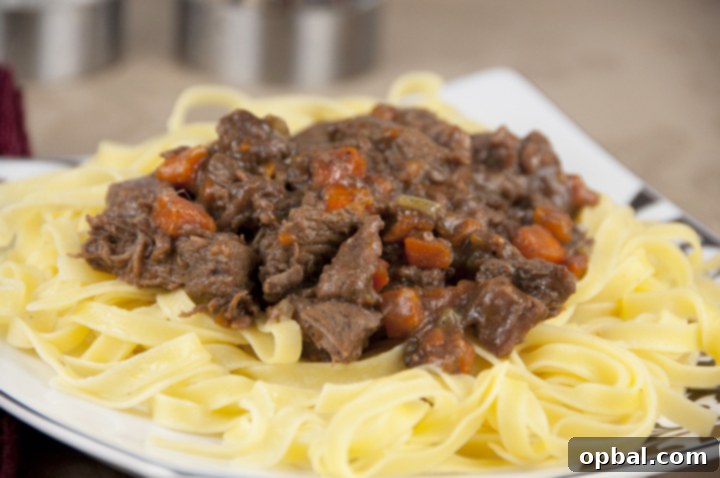
While this Old Fashioned Beef Stew is a complete meal on its own, it truly shines when served with a complementary side. Our personal favorite is serving it over buttered egg noodles, which soak up the rich gravy beautifully, adding another layer of comforting texture. Creamy mashed potatoes are another excellent choice, providing a perfect bed for the hearty stew. Don’t underestimate the simple pleasure of a crusty piece of bread or a warm biscuit, ideal for sopping up every last drop of the delectable sauce.
For those who love to customize, consider adding other root vegetables like parsnips or turnips alongside the carrots and celery for even more earthy flavor. A sprinkle of fresh parsley or thyme just before serving adds a lovely herbaceous note and a pop of color. For a subtle hint of acidity and freshness, a squeeze of lemon juice at the end can brighten the overall profile of the stew. This versatile dish welcomes your personal touch, allowing you to tailor it to your family’s preferences while maintaining its classic, comforting essence.
The Magic of Leftovers: A Culinary Delight that Improves with Age
One of the most remarkable qualities of Old Fashioned Beef Stew, like many slow-cooked dishes, is that it often tastes even better the next day. The overnight rest allows the individual flavors of the beef, vegetables, broth, and spices to meld and deepen further, creating a more harmonious and complex taste profile. As the stew cools, the starches and proteins continue to break down, resulting in an even more tender texture and a richer, more integrated gravy. This phenomenon makes beef stew an excellent make-ahead meal for busy weeknights or for feeding a crowd. Simply reheat gently on the stovetop or in the microwave, and you’ll be treated to a meal that’s just as satisfying, if not more so, than when it was first prepared. Stock up on ingredients, cook a large batch, and look forward to delicious, easy meals for days to come.