
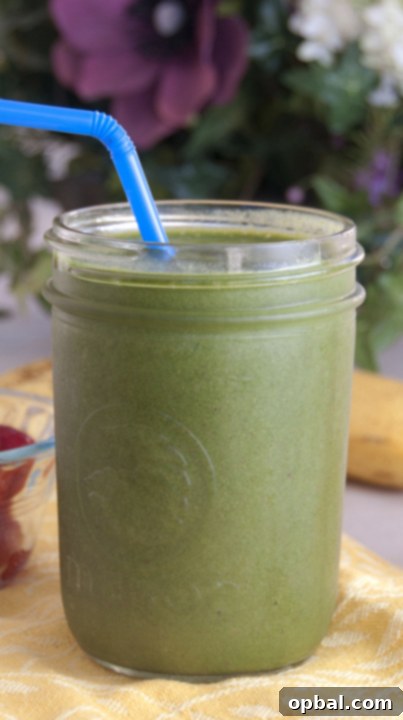
The Ultimate Dairy-Free Green Power Smoothie: A Nutrient-Packed Delight for Lactose-Intolerant Lifestyles
Discover the joy of a truly delicious and incredibly healthy green smoothie, specifically crafted to be 100% lactose-free and dairy-free! This recipe is a game-changer for anyone navigating lactose intolerance but refusing to compromise on nutrition and taste. Packed with vibrant fruits and nutrient-dense vegetables, it’s your perfect liquid meal or snack, ensuring you get all the goodness without any digestive discomfort.
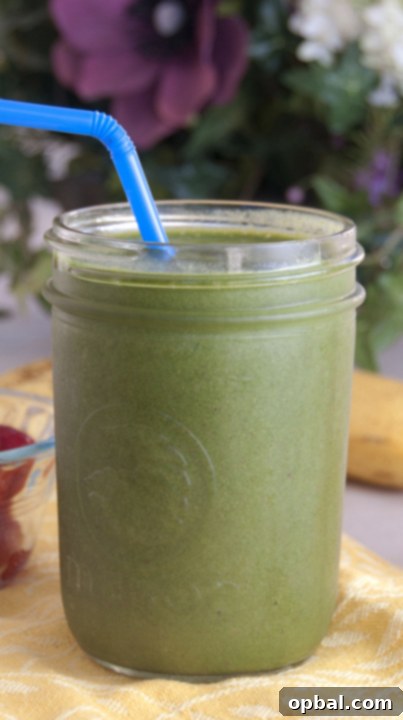
Embracing Wellness: Why Smoothies Are Essential for a Healthy Lifestyle
For me, smoothies aren’t just a drink; they’re a cornerstone of my daily nutrition. They provide an effortless and delicious way to ensure I consume an adequate amount of fruits and vegetables. Without them, maintaining a balanced diet, especially with dietary restrictions, would be a constant uphill battle. Smoothies offer unparalleled convenience – simply toss ingredients into a blender, and in minutes, you have a vibrant, nutrient-dense meal or snack. They are incredibly versatile, allowing for endless combinations of flavors and health benefits. Whether you’re looking to boost your immune system, increase your fiber intake, or simply enjoy a refreshing treat, a well-crafted smoothie can be your best friend. This particular recipe focuses on maximizing nutrition while strictly adhering to dairy-free principles, making it an ideal choice for a wide audience, especially those with lactose sensitivities.
Navigating Lactose Intolerance: A Personal Journey and Modern Solutions
My journey with lactose intolerance began in childhood, a reality many can undoubtedly relate to. Growing up, living with this condition was far from easy. The landscape of food choices was vastly different; lactose-free milk and dairy-free alternatives were either non-existent, difficult to find, or tasted, to put it mildly, quite unappealing. Dining out or simply enjoying a glass of milk felt like a constant gamble, often leading to uncomfortable consequences.
Fortunately, times have changed dramatically for the better. Today, the market is brimming with an incredible array of delicious and highly accessible lactose-free and dairy-free products. From creamy plant-based milks to lactose-free cheeses and yogurts, the options are now plentiful and delicious. This evolution has significantly improved the quality of life for individuals like myself, allowing us to enjoy a wider variety of foods without fear.
For years, before the advent of these superior alternatives, I relied on lactase enzyme pills, such as Lactaid. While they offered some relief, they came with their own set of challenges. Firstly, they rarely provided complete symptom elimination, often leaving a lingering discomfort. Secondly, the constant need to remember to take a pill before every meal or snack containing dairy became a cumbersome routine, especially in social settings where discretion was often desired. And let’s not forget the recurring cost, which added up significantly over time. While they served a purpose, the advent of readily available lactose-free dairy and plant-based alternatives has truly been a liberation.
Lactose-free milk, for instance, offers the full nutritional spectrum of regular cow’s milk – essential vitamins like D and B12, calcium, and protein – without the lactose. This is a crucial distinction from many alternative milks (like almond, oat, or soy), which, while excellent dairy-free options, often don’t naturally provide the same comprehensive nutrient profile unless fortified. Modern stores now stock a fantastic range of lactose-free dairy products, including milk, cottage cheese, and even ice cream, making it easier than ever to enjoy dairy’s nutritional benefits without the digestive distress.
Understanding the Distinction: Lactose Intolerance vs. Cow’s Milk Allergy
It’s crucial to understand that lactose intolerance is fundamentally different from a cow’s milk allergy – a distinction that is often confused. Both conditions can cause digestive upset, but their underlying mechanisms and potential severity are entirely different. Lactose intolerance is a type of food sensitivity, primarily a digestive issue, characterized by the body’s inability to produce sufficient lactase, the enzyme responsible for breaking down lactose, a sugar found in milk and dairy products. When lactose isn’t properly digested, it ferments in the gut, leading to symptoms like bloating, gas, cramps, and diarrhea.
A cow’s milk allergy, on the other hand, is an immune system response. It occurs when the body’s immune system mistakenly identifies the proteins in cow’s milk (casein or whey) as harmful invaders, triggering an allergic reaction. Symptoms can range from mild (hives, eczema, stomach upset) to severe and life-threatening (anaphylaxis). Diagnosis typically involves skin prick tests or blood tests. Management involves strict avoidance of all milk proteins. For lactose intolerance, small amounts of lactose may be tolerated, and enzyme supplements can help. Understanding which condition applies to you is vital for proper dietary management and health.
Smart Dairy Choices: Enjoying Dairy While Managing Lactose Intolerance
Despite lactose intolerance, it is entirely possible to incorporate many nutritious dairy foods into your diet. The key lies in understanding which dairy products are naturally low in lactose or have had their lactose content reduced through processing. Yogurt, for example, especially those with live and active cultures, can be surprisingly well-tolerated. Even though yogurt typically contains around 13 grams of lactose per serving, the beneficial bacteria (live and active cultures) in the yogurt actively consume and break down a significant portion of this lactose, making it much easier to digest for those with limited lactase production.
Greek yogurt is an even more fantastic choice for individuals with lactose intolerance. During its production, Greek yogurt undergoes an extensive straining process to achieve its characteristic thick, creamy texture. This straining process effectively removes much of the liquid whey, and with it, a substantial amount of the lactose. Many people who find regular yogurt problematic can enjoy Greek yogurt without issues. This was a revelation to me; for years, I unnecessarily avoided it! I now frequently substitute Greek yogurt in recipes that traditionally call for sour cream, such as the delightful Hot Corn & Cheese Dip. It works like a charm, adding creaminess and tang without the lactose load.
For cheese lovers, there’s even more good news! Hard, aged cheeses are incredibly lactose-intolerant friendly. Varieties like cheddar, Swiss, Parmesan, and provolone contain less than 1 gram of lactose per ounce. This is because the aging process naturally breaks down most of the lactose present in the milk. So, go ahead and enjoy that slice of cheddar or sprinkle of Parmesan without worry. These naturally low-lactose options, coupled with plant-based alternatives, mean that a delicious and varied diet is entirely within reach for anyone dealing with lactose intolerance. Now, prepare to fall in love with this dairy-free green smoothie recipe!
Recipe: Refreshing Dairy-Free Green Power Smoothie
This vibrant and wholesome green smoothie is designed to fuel your day and delight your taste buds, all while being completely free of dairy and lactose. It’s incredibly easy to make and packed with essential vitamins, minerals, fiber, and healthy fats.
Yields: 2 servings
Prep time: 5 minutes
Ingredients
- 1 cup unsweetened almond milk (or your preferred dairy-free milk alternative like oat or soy milk)
- 1 large ripe banana, preferably frozen (for extra creaminess and a cold temperature without needing too much ice)
- 1 cup fresh spinach (or a mixed greens blend like kale and romaine for diverse nutrients)
- 1/2 cup chopped mango (fresh or frozen, adds natural sweetness and tropical flavor)
- 1/4 cup pineapple chunks (fresh or frozen, complements the mango and adds a tangy kick)
- 1 tablespoon chia seeds (a fantastic source of omega-3 fatty acids, fiber, and protein)
- 1 tablespoon almond butter (for healthy fats, protein, and a richer texture; peanut or cashew butter also work)
- Optional: 1/2 inch fresh ginger, peeled (for a zesty, invigorating flavor boost and digestive aid)
- Optional: A few ice cubes (if not using frozen fruit and prefer a colder smoothie)
Instructions
- Gather Ingredients: Ensure all your ingredients are ready and measured out for a smooth blending process.
- Add Liquids: Pour the unsweetened almond milk into the base of your high-speed blender. This helps the blades move more efficiently.
- Layer Greens and Fruit: Add the fresh spinach, followed by the frozen banana, mango, and pineapple chunks. Layering the softer ingredients and liquids first helps prevent the blender from getting stuck.
- Include Boosters: Next, add the chia seeds and almond butter. If you’re using fresh ginger, add that now as well.
- Blend Until Smooth: Secure the lid on your blender and blend on high speed until the mixture is completely smooth and creamy. Scrape down the sides with a spatula if necessary to ensure all ingredients are incorporated.
- Adjust Consistency (Optional): If the smoothie is too thick for your liking, add a splash more almond milk, one tablespoon at a time, and blend again until you reach your desired consistency. If you prefer it colder or thicker and didn’t use frozen fruit, add a few ice cubes and blend until smooth.
- Serve Immediately: Pour the freshly blended green power smoothie into two glasses.
- Enjoy: Garnish with a slice of banana or a sprig of mint if desired, and serve immediately to enjoy its vibrant freshness and nutritional benefits!
Chef’s Notes & Variations:
- Protein Boost: For an extra protein punch, add a scoop of your favorite dairy-free protein powder.
- Sweetness Adjustment: If your fruit isn’t very sweet, you can add a small amount of maple syrup, honey (if not vegan), or a pitted Medjool date.
- Spice It Up: A pinch of cinnamon or a dash of turmeric can add warmth and additional health benefits.
- Storage: While best enjoyed fresh, any leftover smoothie can be stored in an airtight container in the refrigerator for up to 24 hours. Stir well before consuming.
Beyond the Glass: Embracing a Lactose-Aware Lifestyle and Community
Living with lactose intolerance is a journey, and awareness is a powerful tool. February is recognized as Lactose Intolerance Awareness Month, a dedicated time to educate, share experiences, and foster a supportive community. It’s an excellent opportunity to learn more about the condition, its management, and the wealth of resources available to help you thrive. You can delve deeper into understanding lactose intolerance and dairy’s role by visiting reputable sources such as the National Dairy Council. Their educational materials provide invaluable insights for both health professionals and individuals seeking to manage their diets effectively. Explore more information here.
The conversation around lactose intolerance is also vibrant and active online. Joining the discussion on platforms like Twitter using hashtags such as #BeyondLI connects you with a wider community of individuals, experts, and organizations sharing tips, recipes, and support. It’s a fantastic way to discover new products, exchange advice, and feel less alone in navigating dietary challenges. Embrace the resources, join the community, and empower yourself to live a healthy, delicious, and lactose-free life.
Disclaimer:
This sponsored post was crafted as part of my partnership with the National Dairy Council and One2One Network. While the collaboration supported the creation of this content, all opinions and dietary experiences shared remain entirely my own and are based on my personal journey with lactose intolerance.