
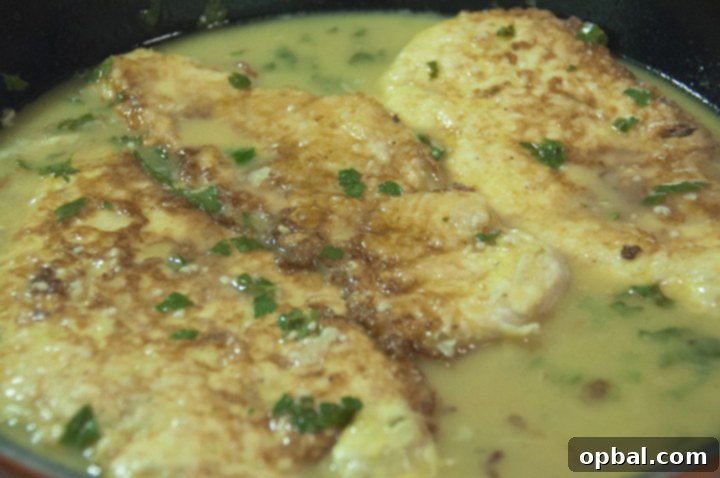
Discover the Secret to Authentic Rochester Chicken French: A Culinary Masterpiece
Today, I am absolutely thrilled to share a recipe that holds a very special place in my heart and in the culinary landscape of my hometown, Rochester, NY. This isn’t just any chicken dish; it’s a regional icon, so beloved that some affectionately suggest it be renamed “Chicken Rochester.” Its popularity here is immense, and for good reason. It also happens to be my husband’s all-time favorite meal, a dish he orders almost every time we dine out. Having lived in Rochester my entire life, it’s almost a culinary oversight that I haven’t dedicated a blog post to this magnificent creation sooner. For many years, I embarked on a personal quest, tirelessly searching for a recipe that could replicate the exquisite taste of the best Chicken French served in our local restaurants. After countless attempts and delicious experiments, I’ve finally discovered a true winner – a recipe that captures the essence of this beloved dish perfectly.
The Enduring Charm of Chicken French: More Than Just a Meal
Chicken French embodies everything I adore in a recipe. It’s a harmonious blend of deliciousness and ease, making it a perfect weeknight meal that feels wonderfully fancy and indulgent. Despite its elegant presentation, it’s incredibly frugal to prepare, yet it consistently impresses everyone who tastes it. This dish never fails to elicit compliments and requests for seconds, cementing its status as a crowd-pleaser. The name “Chicken French” itself is quite amusing, as it ironically doesn’t originate from France at all. Instead, it’s a distant, flavorful cousin to an Italian sautéed veal dish known as “vitello francese.” This original Italian version utilizes a delicate sauce reminiscent of those found in classic French cuisine, hence the “francese” or “French” designation. This intriguing historical twist adds another layer of charm to an already captivating dish.
Unraveling the Enigma: The True Origin of “Chicken French”
From Italy to New York: The Veal Francese Connection
To truly appreciate Chicken French, one must delve into its fascinating history, which begins not in a French bistro, but in the vibrant kitchens of Italy. The precursor to our beloved chicken dish is “Vitello Francese,” a tender veal escalope, lightly battered and pan-fried, then served with a bright lemon-butter sauce. This culinary gem made its transatlantic journey to New York City with the first major wave of Italian-American immigrants in the early 20th century. As these communities established themselves, their culinary traditions began to intertwine with American ingredients and tastes. “Vitello Francese” quickly found a new identity, becoming widely known as “Veal French” in the bustling Italian-American restaurants and homes of New York. It was a dish that spoke of heritage, comfort, and sophisticated simplicity, rapidly gaining popularity among both immigrant families and the broader New York populace.
Rochester’s Culinary Embrace: The Birth of Chicken French
The culinary journey of “Veal French” didn’t stop in New York City. Eventually, the recipe migrated westward, finding a particularly enthusiastic reception in Rochester, NY, home to a large and vibrant Italian-American community. This migration marked a pivotal moment in the dish’s evolution. As the recipe became ingrained in Rochester’s local food scene, a significant substitution occurred: chicken began to replace veal. This wasn’t merely a pragmatic change; it was a stroke of culinary genius. Chicken offered a more accessible and often more affordable alternative, without compromising the dish’s delicate texture and exquisite flavor profile. Thus, “Chicken French” was born in Rochester, becoming deeply embedded in the local culture. Today, it’s a staple on menus across the city, from family diners to upscale restaurants, a testament to its enduring appeal and its unique place in Rochester’s culinary heritage. It’s a dish that residents proudly claim as their own, often sparking spirited discussions about who makes the best version.
What Makes a Perfect Chicken French? A Symphony of Flavors and Textures
At its heart, Chicken French is an artful combination of simplicity and sophistication. It features tender, moist chicken breast, carefully prepared to achieve a perfect balance of textures. Each piece of chicken is first pounded thin, ensuring quick and even cooking, then lovingly coated in a light, delicate egg batter, which may be seasoned with a touch of flour and spices. This lightly breaded chicken is then pan-fried to a beautiful golden brown, creating a subtly crispy exterior that gives way to an incredibly juicy interior. But the true star of Chicken French, the element that elevates it from a simple chicken dish to a memorable culinary experience, is its iconic sauce. This tangy, buttery, and lusciously lemony wine sauce is a masterclass in flavor balance. Typically crafted from a good quality dry Sherry or a crisp white wine, it’s enriched with butter, vibrant chicken stock, fresh parsley, and a generous squeeze of lemon juice. The choice between Sherry and white wine offers a subtle variation: Sherry tends to impart a slightly sweeter, nuttier depth to the sauce, while white wine offers a crisper, more acidic note. Whichever you choose, the result is a velvety, aromatic sauce that perfectly complements the chicken, creating an irresistible dance of savory, tart, and rich notes on the palate. It really is the epitome of a perfect chicken dish, embodying elegance and comfort in every bite.
Mastering the Art of Serving Chicken French
The beauty of Chicken French lies not only in its exquisite taste but also in its versatility when it comes to serving. While delicious on its own, pairing it with the right accompaniments truly elevates the meal. A classic and highly recommended pairing is serving the golden-brown chicken with some steamed or roasted broccoli, adding a touch of freshness and a vibrant green to your plate. A crusty French bread is also an absolute must; it’s perfect for soaking up every last drop of that incredible lemon-butter wine sauce. However, for those who crave a heartier, more substantial meal, serving Chicken French over a bed of al dente pasta is simply divine. When opting for pasta, be sure to generously spoon extra lemon-butter sauce over the top, allowing the pasta to absorb all those wonderful flavors. A sprinkle of freshly grated Parmesan cheese and a scattering of fresh parsley not only add visual appeal but also enhance the dish with their salty, herbaceous notes. Chicken French is equally suitable for a sophisticated dinner party or a comforting family meal on a busy weeknight. Its elegant presentation belies its straightforward preparation, making it a reliable choice for any occasion. Don’t be afraid to experiment with other side dishes like mashed potatoes, rice pilaf, or a simple green salad to complement the richness of the sauce. Regardless of how you choose to serve it, this dish is guaranteed to leave a lasting impression.
I genuinely hope you take the opportunity to try this incredible recipe. It’s a dish that brings so much joy and flavor to the table, and I’m confident it will become a cherished favorite in your own home. Enjoy the process of creating this Rochester classic, and even more, enjoy savoring every delectable bite! The photos below are a testament to its irresistible appeal, captured from two different occasions when I had the pleasure of preparing it.
Crafting Your Own Chicken French: A Step-by-Step Guide
Essential Ingredients for an Unforgettable Dish
Creating an authentic and delicious Chicken French begins with selecting the right ingredients. Quality matters, as each component contributes significantly to the final symphony of flavors. This recipe is thoughtfully portioned to yield 4 to 6 generous servings, making it ideal for a family meal or a small gathering. Always aim for the freshest produce and good quality pantry staples for the best results.
INGREDIENTS:
*yields 4-6 servings*
1 1/2 lb boneless, skinless chicken breast or chicken scallopini. For best results, if using full chicken breasts, choose those that are plump and moist, as they will yield the most tender results when pounded thin.
4 large eggs, plus 2 tablespoon whole milk, lightly beaten. This combination creates a rich, yet light batter that adheres beautifully to the chicken.
1 cup all-purpose flour. Used for the initial dredge, it helps the egg mixture cling evenly.
1 tablespoon fine sea salt. Essential for seasoning both the chicken and the sauce.
1 teaspoon freshly ground black pepper. Adds a pungent counterpoint to the other flavors.
A pinch of cayenne pepper, to taste. This is optional, but it provides a subtle warmth and depth without making the dish spicy.
2 tablespoon extra virgin olive oil, plus 1 tablespoon unsalted butter for sautéing. The combination of oil and butter prevents the butter from burning too quickly while adding richness.
For the exquisite lemon-butter wine sauce:
*Chef’s Note: I always recommend doubling the sauce ingredients. This ensures you have an abundant amount of that glorious lemon-butter wine sauce to drizzle generously over pasta or to sop up with crusty bread, preventing any sauce scarcity!*
Juice of 2 large, fresh lemons (approximately 1/4 to 1/3 cup). Freshly squeezed lemon juice is non-negotiable for that bright, tangy essence.
1/2 cup good quality dry white wine (such as Sauvignon Blanc or Pinot Grigio) or dry sherry. The choice here impacts the depth of flavor; dry white wine offers crispness, while dry sherry provides a richer, slightly sweeter nuance.
1 cup low-sodium vegetable broth or chicken stock. This forms the flavorful base of the sauce and helps with reduction.
4 tablespoon cold unsalted butter, cut into small cubes. Keeping the butter cold is crucial for achieving a perfectly emulsified, velvety smooth sauce without it separating.
1 tablespoon freshly chopped parsley. Adds a burst of color and a fresh, herbaceous note.
Salt and freshly ground black pepper to taste. Adjust these at the end to perfect the sauce’s seasoning.
Detailed Directions for Culinary Success
Follow these steps carefully, and you’ll be enjoying your own homemade Chicken French in no time. For those who are visual learners, like myself, I highly recommend watching Chef John’s insightful video before you begin, as it offers invaluable tips and demonstrations:
DIRECTIONS:
(For those of you who are visual learners like me, here is Chef John’s YouTube video on how it’s done!)
Step 1: Prepare the Chicken. If you’re not using pre-cut chicken scallopini, begin by slicing your boneless, skinless chicken breasts horizontally into thinner cutlets. Place these cutlets between two sheets of plastic wrap or parchment paper. Using a meat tenderizer or the flat side of a heavy skillet, pound the chicken breasts evenly until they are approximately 1/4 to 1/2 inch thick. This step is crucial for ensuring the chicken cooks quickly and remains uniformly tender and moist.
Step 2: Set Up Your Dredging Station. In a shallow dish or plate, combine the flour with 1 tablespoon of salt, 1 teaspoon of black pepper, and the cayenne pepper (if using). Whisk these dry ingredients together thoroughly to ensure even seasoning. In a separate shallow bowl, whisk together the 4 eggs with 2 tablespoons of milk until well combined and slightly frothy. This creates your liquid batter for coating.
Step 3: Coat the Chicken. Take each pounded chicken cutlet and first dredge it completely in the seasoned flour, ensuring both sides are fully coated. Gently shake off any excess flour. Next, transfer the flour-coated chicken into the egg mixture, making sure it is thoroughly coated. You can use a fork or your clean hands for this. Place the coated chicken cutlets on a separate plate or leave them resting in the egg mixture while you prepare your sauté pan to cook. This resting period allows the coating to adhere better.
Step 4: Pan-Fry to Golden Perfection. Heat the 2 tablespoons of olive oil and 1 tablespoon of butter in a large sauté pan or skillet over medium heat. Once the butter has melted and the oil is shimmering, carefully add the coated chicken cutlets to the pan, being careful not to overcrowd it (cook in batches if necessary). Cook for 2-3 minutes on each side, or until they turn a beautiful golden brown and are cooked through. The exact cooking time will depend on the thickness of your chicken. Be vigilant not to let the egg coating get too dark brown, as this can impart a slightly bitter taste. Once cooked, remove the chicken from the pan and transfer it to a clean plate. Cover loosely with foil to keep warm, as it will be gently reheated later in the exquisite sauce.
Step 5: Build the Exquisite Sauce. Remove the pan from the heat briefly to allow it to cool slightly. Squeeze the fresh lemon juice directly into the pan, then immediately pour in the white wine or dry sherry. Returning the pan to the heat, bring the liquid to a gentle simmer, scraping up any delicious browned bits from the bottom of the pan with a wooden spoon or spatula. These bits are full of flavor! Next, add the vegetable broth or chicken stock to the pan. Continue to simmer the mixture over medium heat, allowing the liquid to reduce by approximately half. This concentrates the flavors and creates a more robust base for your sauce.
Step 6: Emulsify the Sauce. Once the liquid has reduced, reduce the heat to low. Begin to gradually whisk in the cold butter cubes, one or two at a time. The key here is to KEEP THE SAUCE MOVING CONSTANTLY as you add the butter. Continue whisking until each cube is fully melted and incorporated, creating a luxurious, velvety, and emulsified sauce. This continuous motion and the cold butter are essential for preventing the sauce from breaking or separating, ensuring a smooth and glossy finish. Finally, stir in the freshly chopped parsley, adding a vibrant touch of color and a burst of herbaceous freshness.
Step 7: Finishing Touches and Reheating. After the butter has fully melted and the parsley is incorporated, taste the sauce for seasoning. Adjust with additional salt and freshly ground black pepper as needed, ensuring the flavor profile is perfectly balanced. Once the sauce is to your liking, carefully return the cooked chicken cutlets to the pan, nestling them gently into the sauce. Spoon the warm sauce over the top of the chicken to ensure every piece is coated and infused with flavor. Allow the chicken to reheat gently for just a minute or two; it won’t take long, as the goal is merely to warm it through without overcooking. Serve immediately, garnished with extra fresh parsley if desired, and prepare for a truly memorable meal.
Recipe source: foodwishes.blogspot.com, with personal adaptations and enhancements for a truly unforgettable Rochester Chicken French experience.
My Final Thoughts: A Dish to Cherish
There’s a special kind of magic that happens when a dish becomes a true local legend, and Chicken French is undoubtedly that for Rochester, NY. It’s more than just a recipe; it’s a piece of our culinary heritage, a source of comfort, and a staple that brings smiles to countless faces. I’ve poured years into perfecting this rendition, and I truly believe it embodies the heart and soul of what makes this dish so utterly captivating. The tender chicken, the delicate crispness of the batter, and that incredibly bright, tangy, and rich lemon-butter wine sauce come together in a symphony of flavors that is simply irresistible. Whether you’re a long-time fan of Chicken French or discovering it for the very first time, I wholeheartedly encourage you to give this recipe a try. It’s an accessible yet impressive meal that promises to delight your taste buds and earn a permanent spot in your recipe collection. Don’t hesitate to share your culinary creations with me – I’d love to see how your Chicken French turns out! Happy cooking, and may your kitchen be filled with the wonderful aroma of this Rochester classic.