
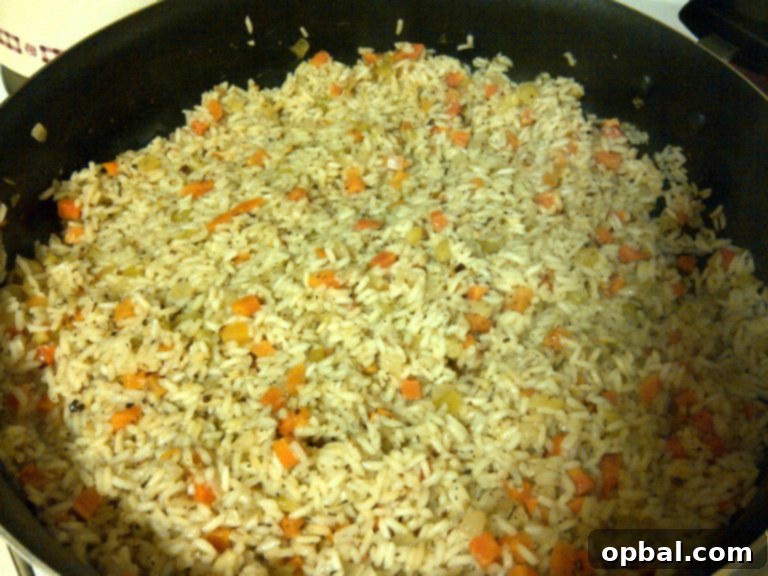
Easy Homemade Rice Pilaf: Your New Favorite Side Dish
Discover the ultimate homemade rice pilaf recipe – an incredibly easy, flavorful, and versatile side dish that promises to elevate any meal. Say goodbye to bland, packaged mixes and hello to perfectly fluffy, aromatic rice!
There’s nothing quite like a simple, yet profoundly satisfying side dish to complete a meal. And when it comes to versatility, flavor, and ease of preparation, homemade rice pilaf stands in a league of its own. Forget the disappointing, often overly salty packaged versions you find at the grocery store. This recipe delivers a restaurant-quality rice pilaf that’s incredibly simple to make from scratch, offering a freshness and depth of flavor that store-bought options can only dream of.
I recently had the pleasure of preparing this delicious rice pilaf as part of a culinary experience at the New York Wine and Culinary Center. It was served alongside a magnificent Pork Tenderloin with Apple Brandy Sauce, and the combination was absolutely divine. The light, fluffy grains and subtle savory notes of the pilaf beautifully complemented the rich flavors of the pork, creating an unforgettable dining experience. But don’t let that specific pairing limit your imagination – this easy and nutritious side dish is wonderfully adaptable and will pair perfectly with a vast array of main courses. Serve it under a succulent piece of pork tenderloin, grilled chicken, or even a hearty vegetable stew – the possibilities are endless, and the results are always positively drool-worthy!
Why Choose Homemade Rice Pilaf Over Packaged?
The choice between homemade and packaged food is often clear, and rice pilaf is no exception. While convenience has its place, the benefits of making this classic side from scratch are numerous and compelling:
- Superior Flavor Profile: Fresh ingredients – toasted rice, sautéed aromatics, and rich broth – combine to create a much more complex and satisfying flavor than any mix can offer. You control the seasoning, ensuring it’s perfectly tailored to your palate.
- Healthier Ingredients: Packaged mixes often contain excessive sodium, artificial flavors, and preservatives. By making your own, you have full control over the quality of ingredients, allowing you to use low-sodium broths, fresh vegetables, and healthy fats.
- Cost-Effective: Basic ingredients for rice pilaf – rice, broth, onion, garlic – are staples that are generally inexpensive. Making it yourself is almost always more economical than buying pre-packaged kits.
- Customization Opportunities: The beauty of homemade food is the ability to adapt it to your taste and what you have on hand. Want more herbs? Add them! Prefer chicken broth over vegetable? Go for it! This flexibility is simply not available with a box mix.
- The Joy of Cooking: There’s immense satisfaction in creating a delicious dish from scratch. The aroma of onions and garlic sautéing, the sound of rice toasting – it’s a sensory experience that enhances the entire meal.
What Exactly is Rice Pilaf?
Rice pilaf, often simply called pilaf, is a dish in which rice is cooked in a seasoned broth. The technique typically involves sautéing the rice in oil or butter before adding the liquid, which helps to create separate, fluffy grains rather than sticky clumps. This toasting step is crucial for imparting a nutty flavor and ensuring the characteristic texture of a good pilaf. Originating from the Middle East and South Asia, pilaf has many regional variations, incorporating different spices, meats, and vegetables. Our version focuses on a classic, straightforward approach that’s both comforting and universally appealing.
Essential Ingredients for Perfect Fluffy Rice Pilaf
Achieving the perfect rice pilaf is all about starting with the right ingredients and understanding their roles:
- Long-Grain White Rice: Varieties like Basmati or Jasmine are ideal. Their long, slender grains tend to remain separate and fluffy when cooked, which is exactly what we want for pilaf. Avoid short-grain or sushi rice, which are starchier and prone to stickiness.
- Aromatics: Onion and garlic are the foundation of flavor. Sautéing them until softened and fragrant builds a crucial base for the dish.
- Fat: Butter or olive oil not only prevent sticking but also add richness and help toast the rice evenly.
- Broth: Chicken or vegetable broth provides significantly more flavor than water. Choose a good quality broth, and opt for low-sodium if you prefer to control the salt level.
- Vermicelli (Optional but Recommended): A classic addition to many pilaf recipes, vermicelli pasta broken into small pieces and toasted alongside the rice adds a delightful textural contrast and a hint of extra nuttiness.
- Salt and Pepper: Essential for seasoning. Adjust to your taste, remembering that your broth might already contain salt.
The Art of Cooking Rice Pilaf: Step-by-Step Perfection
Creating this delicious rice pilaf involves a few key steps that ensure optimal flavor and texture. Follow these instructions carefully, and you’ll be rewarded with a side dish that earns rave reviews:
Classic Homemade Rice Pilaf Recipe
Prep Time: 10 minutes
Cook Time: 25 minutes
Yields: 4-6 servings
Ingredients:
- 2 tablespoons unsalted butter or olive oil
- ¼ cup vermicelli pasta, broken into small (1-inch) pieces (optional)
- 1 medium yellow onion, finely chopped
- 2 cloves garlic, minced
- 1 cup long-grain white rice (such as Basmati or Jasmine)
- 1 ¾ cups chicken or vegetable broth (low-sodium recommended)
- ½ teaspoon salt, or to taste
- ¼ teaspoon black pepper, or to taste
- Fresh parsley or dill, chopped, for garnish (optional)
Instructions:
- Prepare the Aromatics and Vermicelli: In a medium-sized saucepan with a tight-fitting lid, melt the butter or heat the olive oil over medium heat. If using vermicelli, add the broken pieces to the pan and cook, stirring constantly, until they turn a light golden brown. This usually takes 2-3 minutes. Remove the toasted vermicelli from the pan with a slotted spoon and set aside.
- Sauté the Onion: Add the finely chopped onion to the same saucepan. Sauté over medium heat, stirring occasionally, until the onion becomes softened and translucent, about 5-7 minutes.
- Add Garlic and Rice: Stir in the minced garlic and cook for another minute until fragrant, being careful not to let it burn. Add the long-grain white rice to the saucepan. Stir thoroughly to coat all the rice grains with the butter/oil and aromatics. Continue to sauté the rice for 2-3 minutes, stirring, until the edges of the rice grains start to become translucent and appear lightly toasted. This crucial step helps prevent the rice from clumping and promotes individual, fluffy grains.
- Combine with Broth and Seasoning: Pour in the chicken or vegetable broth. Add the reserved toasted vermicelli (if using). Season with salt and freshly ground black pepper. Stir everything gently to combine, then bring the mixture to a rolling boil over medium-high heat.
- Simmer and Cook: Once boiling, immediately reduce the heat to the lowest setting. Cover the saucepan tightly with its lid. Simmer for 15-18 minutes, or until all the liquid has been absorbed by the rice. It is vital not to lift the lid during this cooking period, as it allows steam to escape, which is essential for proper cooking.
- Rest for Fluffiness: Once the cooking time is complete, remove the saucepan from the heat, but keep the lid on. Let the rice rest, undisturbed and covered, for an additional 5-10 minutes. This resting period allows the steam to redistribute and finish cooking the grains, resulting in a perfectly fluffy texture.
- Fluff and Serve: Uncover the saucepan and gently fluff the rice with a fork to separate the grains. Serve hot, garnished with fresh chopped parsley or dill if desired, and enjoy your perfectly cooked homemade rice pilaf!
Serving Suggestions and Delicious Variations
This rice pilaf is incredibly versatile and can be adapted to suit a multitude of tastes and meal requirements. While it shines as a simple side, you can also easily transform it into a more substantial dish with a few additions:
As a Side Dish:
- With Poultry: Ideal alongside roasted chicken, grilled turkey, or pan-seared duck breast.
- With Pork: As mentioned, it’s a stellar companion to pork tenderloin, pork chops, or even slow-cooked pulled pork.
- With Beef: Pairs well with steak, beef stew, or meatloaf.
- With Fish/Seafood: A light and flavorful choice for baked salmon, grilled cod, or pan-seared scallops (though Mr. Wishes might opt out of the seafood!).
- Vegetarian Mains: A delightful accompaniment to bean burgers, lentil loaf, or roasted vegetable platters.
To Make it a Meal (or Enhance as a Side):
Experiment with some of these delightful additions to turn your pilaf into a heartier meal, or simply add more complexity to your side dish:
- Grilled or Sautéed Vegetables: Incorporate finely chopped or sliced vegetables such as mushrooms, red bell peppers, zucchini, peas, or carrots. Sauté them with the onions and garlic, or gently fold them in after the rice has cooked. Roasted asparagus or broccoli can also be added for color and nutrition.
- Protein Power-Up:
- Chicken: Add grilled, sautéed, or shredded cooked chicken breast or thighs directly into the cooked pilaf for a complete meal.
- Shrimp: For seafood lovers, grilled or sautéed shrimp (Mr. Wishes permitting!) can be a fantastic addition, offering a delicate sweetness that complements the savory rice.
- Legumes: Cooked lentils, chickpeas, or black beans can be stirred in for added plant-based protein and fiber.
- Nuts and Dried Fruits: For a Middle Eastern-inspired twist, stir in toasted slivered almonds, pine nuts, or chopped pistachios. Dried cranberries, golden raisins, or chopped apricots can add a touch of sweetness and chewiness.
- Fresh Herbs: Beyond parsley, consider fresh dill, mint, or cilantro for a burst of fresh flavor. Stir them in just before serving.
- Spices: Enhance the flavor profile with a pinch of turmeric for color, a dash of cumin, or a touch of allspice for a warmer, more aromatic pilaf.
- Cheeses: A sprinkle of crumbled feta or grated Parmesan cheese after fluffing can add a salty, tangy dimension.
Tips for Rice Pilaf Success
To ensure your rice pilaf turns out perfectly every time, keep these simple tips in mind:
- Don’t Peek! Resist the urge to lift the lid during the simmering process. The trapped steam is crucial for cooking the rice evenly.
- Proper Rice-to-Liquid Ratio: Stick to the recommended 1 cup rice to 1 ¾ cups broth. This ratio generally works well for long-grain white rice in a covered pot.
- Toast the Rice Well: This step is vital for flavor and texture. Ensure the rice grains get a good sauté, becoming slightly translucent and nutty.
- Resting is Key: Don’t skip the resting period after cooking. It allows the rice to absorb any remaining moisture and become truly fluffy.
- Good Quality Broth: Since broth is a primary flavor component, using a good quality chicken or vegetable broth will significantly impact the final taste.
- Fluff with a Fork: Always use a fork, not a spoon, to fluff the cooked rice. This helps separate the grains without mashing them.
Storage and Reheating
Leftover rice pilaf can be stored in an airtight container in the refrigerator for up to 3-4 days. To reheat, sprinkle a tablespoon or two of water over the rice, cover, and microwave until heated through, or reheat gently in a saucepan over low heat, stirring occasionally.
The Perfect Side Awaits You!
This easy homemade rice pilaf is more than just a side dish; it’s a culinary staple that offers comfort, flavor, and incredible versatility. Whether you’re serving it alongside a elegant Pork Tenderloin, grilled chicken, or simply as a light, flavorful meal on its own, its simplicity and deliciousness are sure to make it a regular in your kitchen. So, gather your ingredients, follow these straightforward steps, and get ready to enjoy the best homemade rice pilaf you’ve ever tasted. Happy cooking!