
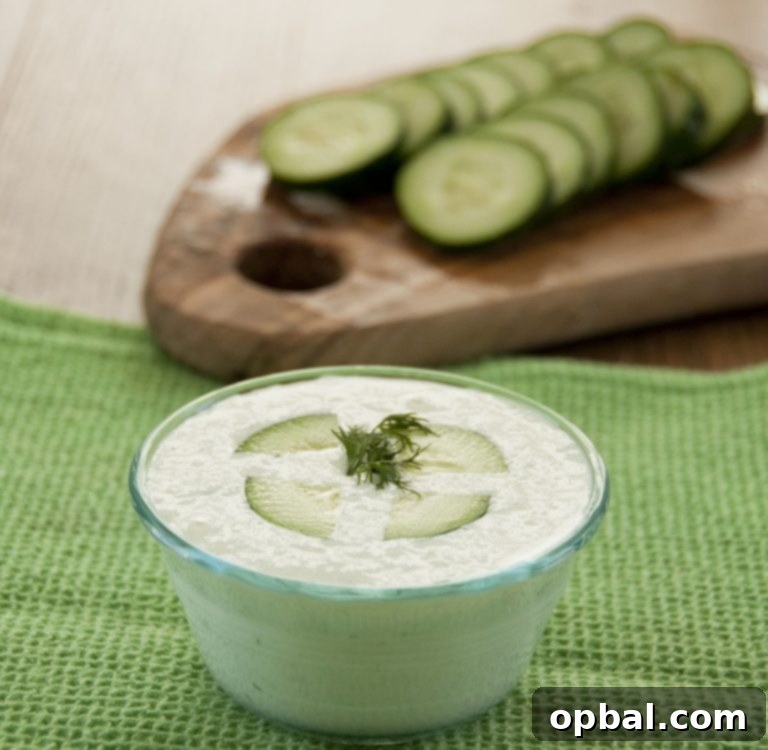
Easy Homemade Tzatziki Sauce: The Ultimate Greek Cucumber Yogurt Dip
Unlock the authentic flavors of Greece with this incredibly simple and delicious homemade Tzatziki sauce, the quintessential Greek cucumber yogurt dip.
There’s an undeniable allure to Greek cuisine, a symphony of fresh, vibrant flavors that transport you straight to the sun-drenched shores of the Mediterranean. Among its many culinary treasures, Tzatziki sauce stands out as a true superstar – a cool, creamy, and wonderfully tangy dip that elevates almost any dish it accompanies. If you, like me, have a deep appreciation for the robust yet refreshing notes found in Greek food, then mastering homemade Tzatziki is an absolute must.
This summer, my culinary explorations led me to create these incredible Grilled Greek Chicken Pitas, and the experience confirmed my love for experimenting with various Tzatziki recipes to find the perfect topping. What I’m sharing today is not just a recipe; it’s a super-easy method for crafting a Tzatziki that’s perfect for those busy days when you crave something extraordinary without spending hours in the kitchen. It’s an essential condiment for anyone who enjoys grilled meats, fresh vegetables, or simply a delightful snack. While the combination of dairy and lemon might initially seem unconventional to some, I can assure you that the harmonious balance of flavors in this sauce is truly exceptional.
What Exactly is Tzatziki Sauce?
At its heart, Tzatziki (pronounced “tuh-zah-TEE-kee”) is a traditional Greek and Middle Eastern sauce or dip renowned for its refreshing qualities. It’s primarily made from strained yogurt (typically sheep or goat’s milk yogurt in Greece, but widely prepared with cow’s milk Greek yogurt elsewhere), finely grated cucumber, fresh garlic, olive oil, and often a touch of vinegar or lemon juice, along with fresh herbs like dill or mint. The result is a thick, cool, and incredibly flavorful condiment that offers a delightful counterpoint to rich or spicy dishes.
Originating from the Ottoman Empire, Tzatziki shares similarities with other regional dips like the Indian raita. However, the Greek version stands out with its distinct garlicky punch and refreshing cucumber notes, making it an indispensable part of Greek meze platters and main courses alike. It’s celebrated not just for its taste but also for its versatility and the refreshing coolness it brings to the palate, especially during warm summer months.
Why Homemade Tzatziki is Always Best
While many grocery stores offer pre-made Tzatziki, nothing truly compares to the fresh, vibrant taste of a homemade batch. Making Tzatziki from scratch allows you to control the quality of your ingredients, adjust the flavors to your personal preference, and ensures you’re enjoying a dip free from unnecessary preservatives or artificial additives. The difference in taste is profound – homemade Tzatziki boasts a brighter, more pronounced garlic and herb flavor, alongside a creaminess that store-bought versions often lack.
The process itself is surprisingly simple and requires minimal culinary expertise, making it an accessible recipe for even novice cooks. Plus, the satisfaction of creating such a classic and delicious condiment from scratch is a reward in itself. It’s a testament to how simple, quality ingredients can be transformed into something truly spectacular.
The Star Ingredients: What You’ll Need
Crafting the perfect Tzatziki begins with selecting the right ingredients. Each component plays a crucial role in achieving that signature creamy texture and tangy, refreshing flavor:
- Greek Yogurt: This is the foundation of your Tzatziki. Opt for full-fat, plain Greek yogurt for the richest, creamiest texture. The straining process of Greek yogurt gives it a thick consistency that holds up beautifully without becoming watery. If you only have regular plain yogurt, you can strain it yourself through cheesecloth for a few hours to achieve the desired thickness.
- Cucumber: English or Persian cucumbers are ideal as they have fewer seeds and thinner skins, eliminating the need for peeling. The key here is to grate the cucumber and then meticulously squeeze out as much excess water as possible. This step is critical; neglecting it will result in a watery Tzatziki.
- Fresh Garlic: Garlic is the soul of Tzatziki, providing its characteristic pungent kick. Freshly minced garlic is non-negotiable for the best flavor. Adjust the amount to your liking – some prefer a subtle hint, while others enjoy a bolder garlic presence.
- Extra Virgin Olive Oil: A drizzle of good quality extra virgin olive oil not only adds richness and depth but also contributes to the silky smooth texture.
- Lemon Juice or White Wine Vinegar: A splash of either lemon juice or white wine vinegar provides the necessary tang and brightens all the other flavors. Choose one based on your preference; lemon juice offers a fresh, citrusy note, while white wine vinegar delivers a slightly sharper, more traditional acidity.
- Fresh Herbs: Dill is the most traditional herb used in Tzatziki, lending a distinctive aromatic freshness. Some variations also incorporate fresh mint for an added layer of coolness. Feel free to use one or a combination of both.
- Salt and Freshly Ground Black Pepper: Essential for seasoning and bringing all the flavors into balance.
Crafting Your Easy Homemade Tzatziki: A Step-by-Step Guide
The beauty of this recipe lies in its straightforward simplicity. Once you have your ingredients prepped, it’s merely a matter of combining them:
- Prepare the Cucumber: Grate your cucumber (peeling is optional, especially with English or Persian varieties). Place the grated cucumber in a clean kitchen towel or several layers of cheesecloth and squeeze out as much liquid as you possibly can. This step is paramount to prevent a watery dip and ensure a thick, luxurious consistency.
- Combine Ingredients: In a medium-sized bowl, combine the thick Greek yogurt, thoroughly squeezed grated cucumber, minced garlic, finely chopped fresh dill (and/or mint, if using), olive oil, and lemon juice or white wine vinegar.
- Season: Add salt and freshly ground black pepper to taste. Start with a conservative amount and adjust as needed.
- Mix Well: Stir all the ingredients together until they are thoroughly combined and evenly distributed.
- Chill for Flavor Development: For the best results, cover the bowl and refrigerate the Tzatziki for at least 30 minutes, or ideally for a few hours. This chilling period allows the flavors to meld and deepen, resulting in a more harmonious and delicious dip.
Expert Tips for the Best Tzatziki
- Strain Your Yogurt (if needed): Even Greek yogurt can sometimes benefit from a bit more straining if you desire an extra thick dip. Place it in a cheesecloth-lined sieve over a bowl in the fridge for an hour or two.
- Don’t Skimp on Squeezing: I cannot overstate the importance of removing excess water from the cucumber. This is the number one secret to truly authentic, thick Tzatziki.
- Adjust Garlic to Taste: Fresh garlic is potent. If you’re sensitive to strong flavors, start with a smaller amount and add more after tasting, once the flavors have had a chance to meld.
- Quality Olive Oil Makes a Difference: A good quality extra virgin olive oil contributes significantly to the overall flavor and mouthfeel of the sauce.
- Taste and Adjust: Before serving, always taste your Tzatziki. You might find it needs a little more salt, pepper, or a touch more lemon juice/vinegar to achieve your perfect balance.
Serving Suggestions: Beyond Just a Dip
This Tzatziki sauce is incredibly versatile and can be used in countless ways. While it absolutely shines as a standalone dip, its utility extends far beyond:
- Classic Dip: Serve it with warm, soft pita bread triangles (whole wheat pita bread recommended for a healthier option), crusty bread, or an assortment of fresh crudités like carrot sticks, cucumber slices, bell pepper strips, and cherry tomatoes. It’s the ultimate guilt-free indulgence.
- Grilled Meats and Fish: This is where Tzatziki truly comes alive. It’s the perfect cool and creamy accompaniment for grilled chicken, lamb kebabs, souvlaki, gyros, or grilled fish. Its tanginess beautifully cuts through the richness of the meat.
- Sandwiches and Wraps: As I often use it, Tzatziki makes an excellent spread or dressing for pitas, sandwiches, and wraps, adding moisture and a burst of Mediterranean flavor.
- Salad Dressing: Thin it out slightly with a little extra olive oil or water, and it transforms into a delectable creamy salad dressing for green salads or grain bowls.
- Vegetable Topping: Spoon it over roasted vegetables, baked potatoes, or even scrambled eggs for a refreshing twist.
- Meze Platter Staple: No Greek meze (appetizer) platter is complete without a generous bowl of Tzatziki, alongside olives, feta, hummus, and dolmades.
The Healthy Benefits of Homemade Tzatziki
Beyond its incredible taste, homemade Tzatziki also offers several health benefits, making it a smart addition to your diet:
- Rich in Probiotics: The Greek yogurt base is packed with beneficial probiotics, which are fantastic for gut health and can aid in digestion.
- Low in Calories and Fat (when made with low-fat yogurt): While full-fat yogurt adds creaminess, opting for a lower-fat Greek yogurt can make this dip a wonderfully light and healthy option.
- Hydrating: Cucumbers are mostly water, contributing to hydration and adding essential vitamins and minerals.
- Nutrient-Dense: Garlic offers immune-boosting properties, and olive oil provides healthy monounsaturated fats.
- Guilt-Free Indulgence: It allows you to enjoy a flavorful, creamy dip without the heavy guilt often associated with other rich sauces.
Explore Variations: Make It Your Own
While the classic Tzatziki recipe is perfect as is, don’t hesitate to experiment and personalize it:
- Spice It Up: A tiny pinch of red pepper flakes can add a subtle warmth.
- Herb Alternatives: If dill isn’t your favorite, increase the mint or even try a tiny bit of fresh parsley.
- Different Acids: Experiment with red wine vinegar for a slightly different tang.
- Dairy-Free Options: For those with dietary restrictions, plain unsweetened coconut yogurt or cashew cream can be used as a base, although the flavor profile will subtly change.
Storing Your Homemade Tzatziki
Your freshly made Tzatziki can be stored in an airtight container in the refrigerator for up to 3-4 days. Over time, the cucumber might release a little more water, so a quick stir before serving is always a good idea. It’s best enjoyed fresh, but the flavors do deepen and meld beautifully after a day in the fridge.
So, go ahead and whip up a batch of this fantastic homemade Tzatziki sauce. Whether you’re pairing it with your favorite grilled meats, using it as a vibrant spread for sandwiches, or simply enjoying it as a refreshing dip with vegetables and pita, you’re in for a truly delightful culinary experience. Enjoy every guilt-free, delicious bite!