
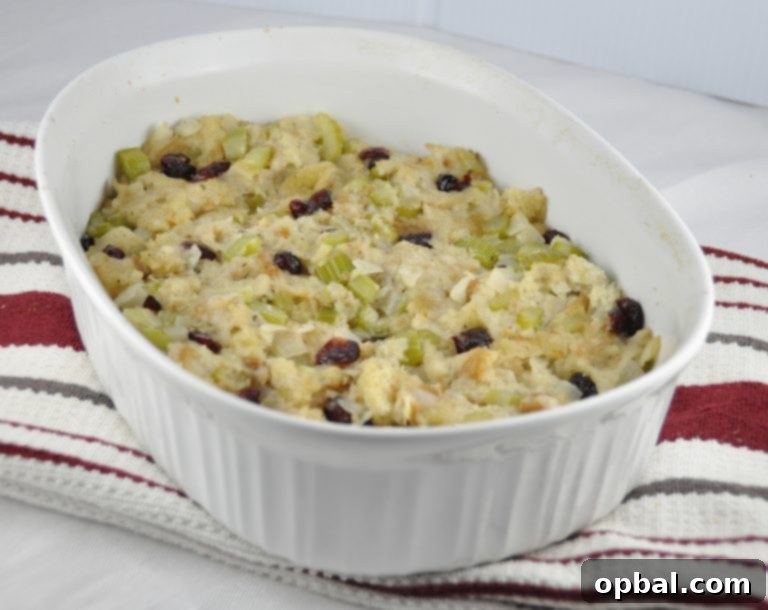
Mastering the Art of Classic Homemade Bread Stuffing: Your Ultimate Thanksgiving Side Dish
For many, Thanksgiving dinner is a grand feast centered around the magnificent turkey. However, if you’re anything like me, the true stars of the show are often found nestled alongside the main event – the glorious side dishes. And among them all, one reigns supreme in my heart: the humble, yet incredibly flavorful, bread stuffing. I confess, I am a stuffing purist. Give me a plate piled high with perfectly moist stuffing and creamy sweet potatoes, and I’m in holiday heaven. The turkey, while appreciated, often takes a backseat to these comforting culinary delights.
My preference leans heavily towards the simple, traditional bread stuffing. There’s an undeniable charm and nostalgic comfort in its straightforward flavors, often enhanced by classic aromatics and savory seasonings. I’ve always felt that the best stuffing doesn’t need extravagant additions to shine; its inherent goodness is enough. This philosophy led me on a quest to perfect a stuffing recipe that delivers on all fronts: rich flavor, ideal texture, and that comforting aroma that signals the holidays are truly here. And I’m thrilled to share with you a recipe that achieves just that, proving that a truly magnificent stuffing doesn’t necessarily need to be cooked inside the turkey to be moist and utterly delicious.
The Enduring Appeal of Traditional Bread Stuffing
Why does traditional bread stuffing hold such a cherished place on our holiday tables? Its enduring popularity stems from several factors. Firstly, it’s a dish steeped in history and tradition, evoking memories of family gatherings and festive celebrations. The aroma alone can transport you back to childhood Thanksgivings. Secondly, its flavor profile is universally appealing – savory, slightly aromatic, and incredibly comforting. It perfectly complements the richness of turkey and gravy without overwhelming the palate. Finally, at its core, stuffing is a dish born of resourcefulness, transforming stale bread into something extraordinary. It’s a testament to simple ingredients coming together to create profound culinary magic.
While countless variations exist, from cornbread stuffing to oyster stuffing, there’s an undeniable purity and satisfaction in the classic bread-based version. It offers a blank canvas for subtle enhancements while maintaining its fundamental identity. This recipe embraces that simplicity, focusing on quality ingredients and straightforward techniques to create a stuffing that is both approachable for beginners and satisfying for seasoned cooks.
Unlocking the Secret to Perfectly Moist Stuffing, Every Time
One of the most common concerns when making stuffing outside the bird is achieving that coveted moist and tender texture without it becoming dry or mushy. For years, I believed that the only way to get truly moist stuffing was to cook it within the turkey, allowing it to absorb all those wonderful juices. However, I discovered that with the right technique and a keen understanding of the ingredients, you can achieve a superior stuffing baked independently in a casserole dish. In fact, baking it separately offers several advantages, including better temperature control, a crispy top layer, and the ability to customize texture without worrying about food safety concerns related to turkey cavity temperatures.
The secret lies in a few critical steps: proper bread preparation, generous use of flavorful fats, and the correct amount of liquid. Stale bread is paramount, as it absorbs moisture without turning into a soggy mess. Butter provides richness and helps to sauté the aromatics, building a foundational layer of flavor. And chicken broth, added judiciously, is the key to moistening the bread to perfection. We’ll delve into each of these elements in detail to ensure your stuffing is never dry, never mushy, but always wonderfully moist and flavorful.
Essential Ingredients for Your Classic Bread Stuffing
This recipe calls for a straightforward list of ingredients, each playing a crucial role in creating a stuffing that is robust in flavor and delightful in texture. Here’s a closer look at what you’ll need and why:
The Foundation: Stale White Bread
The bread is, naturally, the most important component. For a truly excellent stuffing, stale bread is non-negotiable. Fresh bread, with its higher moisture content, tends to absorb too much liquid during the cooking process and can result in a dense, gluey, or “mushy” stuffing. Stale bread, on the other hand, acts like a sponge, soaking up the flavorful broth and butter without disintegrating. You’ll want about a 1-pound loaf for this recipe.
- Type of Bread: A high-quality white sandwich bread, like Pepperidge Farm, works exceptionally well due to its consistent texture and ability to absorb flavors. You can also use day-old French baguettes, sourdough, or even brioche for a richer flavor. If using harder-crusted breads like baguettes, consider removing some of the tougher crusts, as they can become excessively chewy after absorbing liquid. For softer breads, leave the crusts on – they add texture and flavor.
- Preparing the Bread: Cut or rip the stale bread into uniform 1-inch cubes. If your bread isn’t quite stale enough, you can accelerate the drying process by spreading the cubes on a baking sheet and baking them in a low oven (around 275°F / 135°C) for about 15-20 minutes, or until they are dry to the touch but not toasted. This step is crucial for preventing a mushy outcome.
The Aromatics: Onion and Celery
These two vegetables form the classic aromatic base for most stuffings. When sautéed in butter, they release their sweet and savory essences, infusing the entire dish with depth and complexity.
- Onion: One medium-sized onion, chopped, provides a foundational sweetness and pungent flavor that mellows beautifully during cooking. Yellow or white onions are perfect here.
- Celery: Four stalks of chopped celery add a subtle bitterness and crisp texture that softens wonderfully. It also contributes to the traditional savory profile.
The Flavor Enhancers: Butter and Seasonings
These elements are responsible for the rich taste and enticing aroma of the stuffing.
- Butter: ¾ cup of butter provides the necessary fat for sautéing the aromatics and coating the bread cubes, adding unparalleled richness and moisture. Don’t skimp on the butter; it’s key to a delicious stuffing.
- Poultry Seasoning: 2 teaspoons of poultry seasoning is the magic ingredient that gives stuffing its signature “holiday” flavor. This blend typically includes sage, thyme, rosemary, marjoram, and a hint of nutmeg, all of which are classic complements to poultry and holiday meals.
- Salt and Pepper: To taste. These essential seasonings enhance all the other flavors. Be sure to taste and adjust as you go, especially if using a salty broth.
The Moisturizer: Chicken Broth
1 cup of chicken broth is what binds everything together and provides the essential moisture for a tender, flavorful stuffing. Using a good quality broth will significantly impact the final taste. For a vegetarian option, vegetable broth can be substituted.
Optional Add-Ins for Customization
While this recipe is fantastic on its own, it’s also wonderfully adaptable. You can easily “jazz it up” with your favorite additions to suit your taste or family traditions. Just remember to add most of these extras right before you incorporate the chicken broth.
- Fruits: 6 oz of Craisins or raisins add a delightful burst of sweetness and a beautiful pop of color. Diced apples or dried apricots are also excellent choices.
- Nuts: Toasted slivered almonds, chopped pecans, or walnuts can add a pleasant crunch and nutty flavor.
- Meats: For a heartier stuffing, cooked and crumbled sausage (sage sausage is a classic pairing), or crispy bacon bits are popular additions.
- Fresh Herbs: A tablespoon or two of fresh chopped sage, thyme, or rosemary can elevate the aromatic profile even further.
- Mushrooms: Sautéed mushrooms add an earthy depth.
My partner, Mr. Wishes, for instance, has a particular fondness for raisins and sausage in his stuffing – a unique combination that highlights how personal this dish can be!
INGREDIENTS:
*Double this recipe for a large crowd or for stuffing a large turkey. This amount is ideal for stuffing a 10-12 pound turkey or serving 6-8 people as a side dish.
- 1 (1 pound) loaf stale, dry white bread (cubed)
- ¾ cup unsalted butter
- 1 large onion, chopped
- 4 stalks celery, chopped
- 2 teaspoons poultry seasoning
- Salt and freshly ground black pepper to taste
- 1 cup low-sodium chicken broth
- 6 oz Craisins or raisins, optional (but great for color and a touch of sweetness)
DIRECTIONS:
Step-by-Step Guide to Your Best Homemade Bread Stuffing
- Prepare Your Bread: Begin by cutting or ripping your stale white bread into uniform 1-inch cubes. Consistency in size helps ensure even absorption of moisture and even cooking. It cannot be stressed enough: do NOT use fresh bread, as it will result in a mushy texture. If your bread isn’t sufficiently stale, spread the cubes in a single layer on a large baking sheet and dry them out in a low-temperature oven (approximately 275°F / 135°C) for about 15-20 minutes, or until they are firm and dry to the touch. This step is critical; skipping it or using fresh bread without drying will require a significant reduction in liquid to avoid a soggy stuffing.
- Sauté the Aromatics: In a large Dutch oven or a heavy-bottomed pot, melt the ¾ cup of butter over medium heat. Once the butter is shimmering, add the chopped onion and celery. Cook, stirring occasionally, until the vegetables are softened and translucent, about 8-10 minutes. Avoid browning them too much; the goal is to soften and release their flavors.
- Season and Combine: To the softened vegetables, add the poultry seasoning, salt, and freshly ground black pepper. Stir well to combine, allowing the spices to toast slightly and become fragrant for about 1 minute. Then, add the bread cubes to the pot. Stir gently but thoroughly, ensuring all the bread cubes are evenly coated with the butter and seasoned vegetables. This coating is vital for flavor distribution and texture.
- Moisten with Broth: If you are adding any optional extras like Craisins, raisins, nuts, or cooked sausage, stir them in now. Next, gradually pour in the 1 cup of chicken broth. Mix well until the bread cubes are moistened, but be careful not to overmix, which can break down the bread. The stuffing should be moist but not swimming in liquid. If your bread was very dry, you might need a tiny splash more broth; if it was less stale, you might use slightly less. Use your judgment to achieve a consistently moist mixture.
- Choose Your Cooking Method:
- For Baking in a Casserole Dish (Recommended for best texture and safety): Transfer the stuffing mixture to a greased 9×13-inch casserole dish. This method produces a wonderfully crispy top while keeping the interior moist and tender. Bake in a preheated oven at 350°F (175°C) for 30 to 40 minutes, or until the top is golden brown and the stuffing is heated through. For an extra crispy top, you can increase the temperature to 375°F (190°C) for the last 10 minutes.
- For Stuffing a Turkey: If you prefer to stuff your turkey, allow the prepared stuffing mixture to chill completely in the refrigerator before spooning it loosely into the turkey cavity just before roasting. Do not pack it tightly, as this can prevent it from cooking evenly. Always ensure the internal temperature of the stuffing reaches 165°F (74°C) for food safety. Remove the stuffing from the turkey immediately after it’s done roasting.
- Serve and Enjoy: Once cooked, let the stuffing rest for a few minutes before serving. It’s perfect alongside your Thanksgiving turkey, roast chicken, or even as a comforting side dish any time of year!
Tips for Stuffing Success and Holiday Hosting
Creating the perfect stuffing is an art, but with these tips, you can elevate your dish and ensure a stress-free holiday meal:
- Make-Ahead Magic: Stuffing is an excellent make-ahead dish. You can prepare the mixture (up to the point of adding broth) a day in advance and store it covered in the refrigerator. Before baking, let it come to room temperature, then add the broth and proceed with baking. Alternatively, you can assemble the entire dish in the casserole and refrigerate it. Add an extra 10-15 minutes to the baking time if baking directly from the fridge.
- Achieving Crispy Edges: For those who love a crispy stuffing, consider spreading the mixture in a shallower, wider baking dish or increasing the baking temperature slightly towards the end. You can also lightly butter the top of the stuffing before baking for extra browning.
- Preventing Dry Stuffing: The amount of broth can vary based on your bread’s dryness and type. Start with the recommended amount and add a little more if the mixture seems too dry after mixing. Conversely, if your bread wasn’t very stale, you might need slightly less. Don’t be afraid to trust your instincts!
- Customization is Key: Don’t be afraid to experiment with your favorite herbs, spices, or mix-ins. Add toasted pecans and dried cranberries for a festive touch, or incorporate sautéed mushrooms and leeks for an earthy depth. The simple base recipe is incredibly forgiving and open to creativity.
- Serving Versatility: While synonymous with Thanksgiving, this classic bread stuffing is a fantastic accompaniment to any roasted poultry, pork, or even as a standalone vegetarian meal. It reheats well too, making for delicious leftovers.
This traditional homemade bread stuffing is more than just a side dish; it’s a testament to the comforting flavors of home and tradition. With its savory aromatics, rich buttery notes, and perfectly moist texture, it’s bound to become a staple at your holiday table. Forget the complexities, embrace the simplicity, and prepare to fall in love with the true star of your Thanksgiving feast. How do you like your stuffing? Share your traditions and enjoy every delicious bite!
Happy Thanksgiving!